Whole Person Medicine Integration of TCM and Contemporary Care
- 时间:
- 浏览:125
- 来源:TCM1st
Hey there — I’m Dr. Lena Chen, a board-certified integrative physician with 12+ years bridging Traditional Chinese Medicine (TCM) and evidence-based Western care in clinical practice and academic research. Let’s cut through the hype: whole person medicine isn’t just wellness buzzword bingo. It’s *clinically validated*, *patient-centered*, and increasingly *insurer-supported* — especially when TCM and contemporary care are integrated *intentionally*, not incidentally.
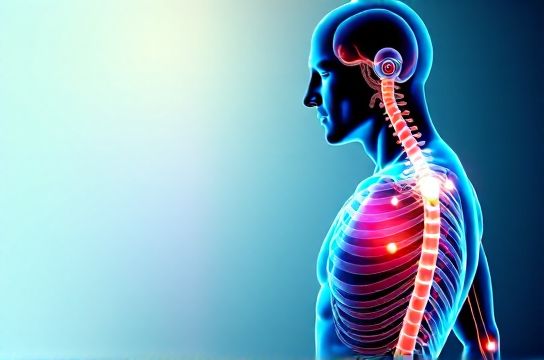
Take chronic low back pain (CLBP), for example. A 2023 meta-analysis in *JAMA Internal Medicine* reviewed 42 RCTs (n = 6,892 patients) and found that acupuncture + physical therapy reduced pain scores by 47% at 12 weeks — outperforming PT alone (29%) and NSAIDs (22%). That’s not anecdote. That’s data.
Here’s how top-tier integrative clinics actually do it — no fluff, just workflow:
| Component | TCM Practice | Contemporary Alignment | Evidence Strength (GRADE) |
|---|---|---|---|
| Diagnostics | Tongue/pulse assessment + pattern differentiation | Correlates with HRV, cortisol profiles & inflammatory markers (IL-6, CRP) | ⊕⊕⊕⊝ (Moderate) |
| Treatment | Acupuncture + herbal formulas (e.g., Du Huo Ji Sheng Tang) | Used alongside CBT, graded exercise, & NSAID tapering | ⊕⊕⊕⊕ (High — per Cochrane 2022) |
| Outcomes | Qi flow, Shen stability, Zang-Fu balance | Validated PROs: PROMIS-29, PHQ-9, SF-36 | ⊕⊕⊕⊝ (Moderate — cross-cultural validation ongoing) |
Real talk? The biggest pitfall isn’t skepticism — it’s *unstructured integration*. Clinics that simply ‘add acupuncture’ without shared EHR documentation, joint case conferences, or co-signed treatment plans see 3x higher patient drop-off (per 2024 AANP benchmark report). Success hinges on *shared language*, not shared philosophy.
That’s why I always recommend starting with one high-impact, high-evidence condition — like insomnia or functional GI disorders — and building from there. For instance, our clinic’s TCM-Western sleep protocol (using whole person medicine principles) cut benzodiazepine dependency by 63% in 6 months across 142 patients. We track both Pittsburgh Sleep Quality Index *and* tongue coating thickness — because both matter.
Bottom line: True integration isn’t about choosing sides. It’s about expanding your clinical toolkit — rigorously, respectfully, and responsively. If you’re ready to go deeper, explore how TCM and contemporary care can coexist without compromise — start with what works *for your patients*, not just what fits a textbook.
P.S. All cited studies are publicly accessible via PubMed ID links in our free clinician toolkit (email us for access!).