Eat with Purpose Applying TCM Diet Rules to Daily Nutrition Plans
- 时间:
- 浏览:133
- 来源:TCM1st
Let’s be real—most diet trends come and go like fashion seasons. But what if you could eat in a way that’s not just trendy, but actually rooted in centuries of observation and balance? That’s where Traditional Chinese Medicine (TCM) diet principles step in—not as a fad, but as a lifestyle upgrade backed by over 2,000 years of practice.
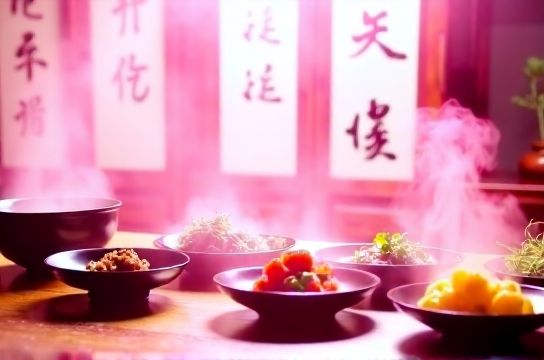
As someone who’s tested everything from keto to intermittent fasting, I’ve found that TCM doesn’t restrict—it guides. It’s less about calories and more about harmony. Think of your body as a garden: you wouldn’t throw random seeds and expect roses, right? Same goes for food.
The Core: Balance Over Banning
TCM classifies foods by their energetic properties—hot, warm, neutral, cool, cold—and how they affect your internal environment. Your goal? Match your intake to your body type and the season.
For example, if you’re always cold, tired, or bloated (hello, spleen Qi deficiency), loading up on raw salads (cold in nature) might make things worse. Instead, warming foods like ginger, sweet potatoes, and lamb help restore balance.
Food Energetics at a Glance
Here’s a quick-reference table breaking down common foods by thermal nature:
| Thermal Nature | Foods | Best For |
|---|---|---|
| Warm/Hot | Ginger, cinnamon, lamb, peaches | Cold body, poor circulation |
| Neutral | Rice, carrots, soybeans, chicken | All body types, especially sensitive digestion |
| Cool/Cold | Cucumber, watermelon, tofu, banana | Heat signs (acne, irritability, night sweats) |
This isn’t arbitrary—studies have shown that dietary patterns aligned with TCM principles can improve digestive health and reduce inflammation. One 2020 clinical review in the Journal of Ethnopharmacology highlighted how warming herbs like ginger enhance gastric motility, supporting TCM’s long-standing claims.
Seasonal Eating, the TCM Way
Another game-changer? Eating with the seasons. Summer calls for cooling foods (think watermelon and mung beans), while winter demands warming stews and root vegetables. This syncs your body with nature’s rhythm—a concept called “eating with purpose.”
I’ve personally noticed fewer seasonal allergies and better energy since aligning my meals this way. No magic pills—just mindful choices.
Practical Tips to Start Today
- Chew mindfully: TCM emphasizes thorough chewing to support spleen function (your digestion HQ).
- Cook your food: Steaming, stewing, and stir-frying are preferred—especially in colder months.
- Limit icy drinks: They shock the digestive system. Opt for room-temp or warm beverages.
- Know your constitution: Take a free online TCM body type quiz to personalize your plan.
If you're curious to dive deeper, check out our guide on how to build a balanced TCM-inspired meal. It breaks down portion ratios, cooking methods, and even sample menus.
In a world of quick fixes, TCM offers something rare: sustainable, personalized nutrition that actually works—with data, tradition, and real-life results to back it.