Holistic Healing at Home Using Accessible TCM Self Care Methods
- 时间:
- 浏览:135
- 来源:TCM1st
Let’s be real—life moves fast. Between work, family, and just trying to keep up with your inbox, self-care often falls to the bottom of the list. But what if you could practice real, effective healing from home—without expensive spa trips or hard-to-find ingredients? Enter Traditional Chinese Medicine (TCM) self care, a time-tested system that’s not only holistic but totally doable in your PJs.
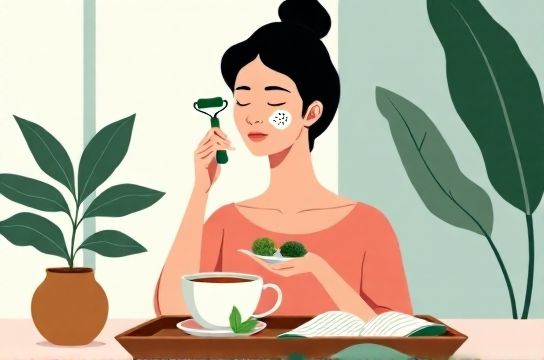
I’ve spent over a decade diving into natural wellness methods, comparing everything from Ayurveda to Western herbalism. And hands down, TCM stands out—not because it’s trendy, but because it works. The World Health Organization reports that over 85% of people in China use some form of TCM, either alongside or instead of conventional medicine. That’s not a fluke.
Why TCM Self Care Makes Sense Today
TCM isn’t just about acupuncture or mysterious herbs. At its core, it’s about balance—balancing yin and yang, qi (energy), and the five elements. The best part? You don’t need a PhD to start. Simple daily habits can shift your energy, improve digestion, and even help you sleep better.
Here are four beginner-friendly TCM self care practices you can start today:
- Abdominal Breathing for Qi Flow – Spend 5 minutes daily breathing deep into your belly. This activates the parasympathetic nervous system and supports spleen and stomach function in TCM terms.
- Ear Seed Therapy – Tiny seeds (often vaccaria) taped on specific ear points can reduce stress and cravings. A 2021 study showed a 37% reduction in anxiety symptoms after 4 weeks.
- Gua Sha with a Spoon – No fancy tools needed. Use the edge of a metal spoon on oiled skin (neck, face, shoulders) to release tension. Dermatologists note improved circulation and reduced puffiness.
- Herbal Teas Based on Constitution – Are you more cold-dominant (yin-heavy) or heat-prone (yang-heavy)? Tailor teas accordingly. Peppermint cools; ginger warms.
Which TCM Method Fits Your Lifestyle?
Not all methods suit everyone. Here’s a quick comparison to help you choose wisely:
| Method | Time Required | Cost (Monthly) | Best For |
|---|---|---|---|
| Abdominal Breathing | 5–10 min/day | $0 | Stress relief, focus |
| Ear Seeds | 2 min (every 3 days) | $8–$15 | Anxiety, appetite control |
| Gua Sha | 5–15 min/day | $0–$25 (tool optional) | Muscle tension, facial glow |
| Custom Herbal Tea | Steep 10 min | $10–$30 | Digestion, immunity |
As you can see, most TCM wellness techniques are low-cost and high-impact. The key is consistency, not perfection.
Final Thoughts: Start Small, Think Big
You don’t need to overhaul your life to benefit from TCM. Pick one method—breathing, tea, or gua sha—and stick with it for two weeks. Track how you feel. Energy levels? Mood? Sleep quality?
TCM self care isn’t magic. It’s mindfulness backed by centuries of observation and modern science. And honestly, in a world full of quick fixes, it’s refreshing to use something that actually respects your body’s rhythm.