Self Care Made Easy Using Time Tested TCM Techniques
- 时间:
- 浏览:151
- 来源:TCM1st
Let’s be real—life moves fast. Between work, family, and trying to squeeze in a workout (or even just some quiet time), self care often ends up at the bottom of the list. But what if I told you that one of the oldest healing systems on Earth could make personal wellness simpler, more natural, and actually fit into your daily routine? Enter: Traditional Chinese Medicine (TCM).
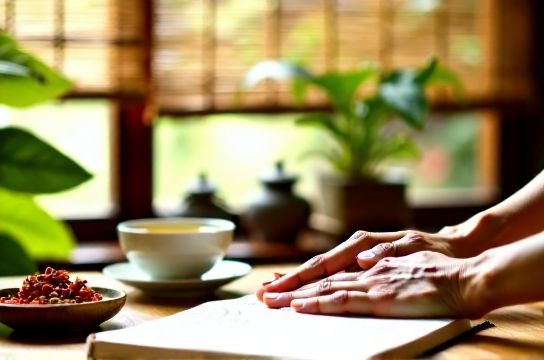
With roots stretching back over 2,500 years, TCM isn’t just about acupuncture needles or mysterious herbal brews. It’s a holistic system focused on balance—balancing yin and yang, energy (qi), and your body’s internal organs. And guess what? Modern science is starting to catch up. A 2021 review published in Frontiers in Medicine found that TCM practices like herbal therapy and qigong significantly improved symptoms in patients with chronic fatigue and stress-related disorders.
So how can you use these time-tested TCM techniques without becoming a full-time herbalist? Let’s break it down with real, practical steps backed by both tradition and data.
1. Start with Your Daily Rhythm (Yes, Your Body Clock Matters)
In TCM, each organ system has a two-hour peak period when its energy flows strongest. Aligning your habits with this ‘meridian clock’ can boost digestion, sleep, and mental clarity.
| Time | Active Organ | Tips for Self Care |
|---|---|---|
| 7–9 AM | Stomach | Eat a warm, cooked breakfast—skip the cold smoothies! |
| 11 AM–1 PM | Heart | Take a mindful break; avoid heavy decisions |
| 5–7 PM | Kidney | Hydrate well; support energy and detox |
| 11 PM–1 AM | Gallbladder | Be asleep! Critical for decision-making & detox |
Sounds simple? That’s the point. You don’t need supplements or apps—just awareness.
2. Use Food as Medicine (No, Really)
TCM doesn’t believe in universal diets. Instead, it categorizes foods by temperature (cooling, warming) and effect on your body. For example, if you’re always cold or tired, you likely have “cold” energy—so eat more warming foods like ginger, lamb, or cinnamon.
A small 2020 study in Nutrition Research showed participants who followed TCM-based dietary advice reported 38% better digestion and energy levels after just 6 weeks.
3. Try Acupressure When Acupuncture Isn’t an Option
No time or budget for weekly acupuncture sessions? Try acupressure. Pressing key points for 1–2 minutes daily can relieve headaches, anxiety, and insomnia.
- LI4 (Hegu): Between thumb and index finger—great for stress and pain.
- Yintang: Between eyebrows—calms the mind.
- SP6 (Sanyinjiao): Above the ankle—balances hormones and energy.
The best part? These techniques are free, safe, and take less than five minutes a day.
Bottom line: Self care doesn’t have to mean expensive spa days or trendy supplements. Sometimes, the most powerful tools are the ones that have stood the test of time. With TCM self care, you’re not just treating symptoms—you’re building long-term resilience.