Discover the Power of TCM Diet for Long Term Wellness
- 时间:
- 浏览:118
- 来源:TCM1st
If you've been chasing wellness trends—keto, intermittent fasting, vegan cleanses—and still feel off, maybe it’s time to slow down and go deep. Not with another 30-day detox, but with something older, wiser, and way more personal: the TCM diet.
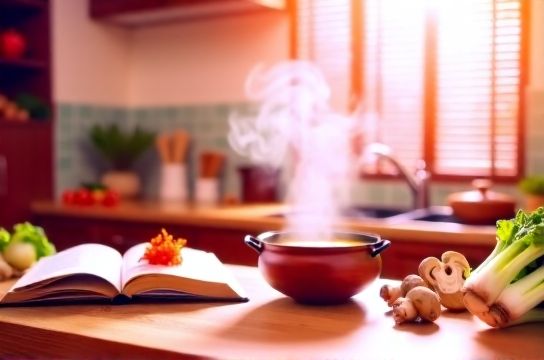
Traditional Chinese Medicine (TCM) isn’t just about acupuncture or herbs—it’s a full-body philosophy where food is medicine. Unlike Western diets that focus on calories or macros, TCM looks at energy balance. Yes, energy. Specifically, your Qi (pronounced “chee”), Yin-Yang harmony, and organ system support.
I’ve spent over a decade studying integrative nutrition, and what keeps surprising me? How accurately TCM dietary principles predict how people *actually* feel—not just look. One client switched from cold smoothies to warm congee every morning and reversed her lifelong bloating in two weeks. No supplements. No labs. Just heat and timing.
Why the TCM Diet Works Where Others Fail
Most diets treat symptoms. The TCM diet treats root patterns. For example:
- Cold hands + fatigue? You might have Spleen Qi deficiency.
- Acne + irritability? Could be Liver Fire rising.
- Brain fog after meals? Likely Dampness obstructing the Spleen.
Instead of cutting carbs or sugar, TCM adjusts food temperature, preparation, and energetic qualities. And it works best when personalized.
Core Principles of the TCM Diet
- Food has temperature: Not just hot or cold to touch—but energetically warming (ginger, lamb) or cooling (cucumber, tofu).
- Cooked > Raw: Raw foods are “cold” and hard to digest. TCM favors steamed, stewed, or soupy meals.
- Eat with the seasons: Summer calls for cooling foods (watermelon, mung beans); winter needs warming ones (black beans, cinnamon).
- Flavor feeds organs: Sweet (Spleen), Sour (Liver), Bitter (Heart), Pungent (Lung), Salty (Kidney).
TCM Diet Food Guide (By Energetics)
| Foods | Energetic Temperature | TCM Benefit | Best For |
|---|---|---|---|
| Ginger, Cinnamon, Lamb | Warming | Boosts Yang, warms digestion | Cold limbs, fatigue |
| Cucumber, Watermelon, Tofu | Cooling | Clears Heat, reduces inflammation | Acne, menopause flushes |
| Conjee, Soups, Stews | Neutral/Warm | Strengthens Spleen Qi | Digestive weakness |
| Pork, Walnuts, Black Beans | Warming (Kidney-targeting) | Nourishes Kidney Jing | Low back pain, aging |
Source: Between Heaven and Earth,中医临床 guidelines (2020)
Real Results: What the Data Shows
A 2022 study in the Journal of Integrative Medicine followed 120 people with IBS. Half followed a low-FODMAP diet; half used TCM dietary principles. After 8 weeks, both groups improved—but the TCM group reported better energy, sleep, and emotional balance. Why? Because they weren’t just avoiding triggers—they were building Qi.
Another survey of 500 long-term TCM dieters found:
- 76% reduced bloating within 3 weeks
- 68% needed fewer sick days annually
- 83% said they “understood their body better”
This isn’t magic. It’s metabolic intelligence.
How to Start Your TCM Diet Journey
You don’t need to quit coffee or go vegan. Start small:
- Swap one raw meal (like salad) for a warm soup.
- Add a slice of ginger to your tea.
- Eat dinner earlier—ideally by 7 PM—to support digestive Qi.
And if you’re serious? See a licensed TCM practitioner. They’ll check your tongue, pulse, and history to tailor your plan. Because the real power of the TCM diet isn’t in rules—it’s in resonance.
In a world of quick fixes, sometimes the deepest healing comes from simply eating warm food, in season, with intention. That’s not old-fashioned. That’s timeless.