Restore Calm with Gentle TCM Based Self Care Tools
- 时间:
- 浏览:128
- 来源:TCM1st
If you’ve been feeling overwhelmed, stressed, or just mentally foggy lately, you’re not alone. In today’s fast-paced world, our nervous systems are constantly in overdrive. But what if the ancient wisdom of Traditional Chinese Medicine (TCM) could help you restore calm — naturally? As someone who’s spent years exploring holistic wellness tools, I’m convinced that gentle, TCM-based self-care practices are among the most effective ways to rebalance your mind and body.
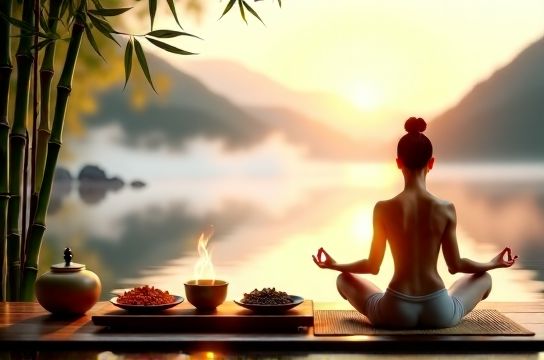
Unlike quick-fix solutions, TCM takes a whole-body approach. It’s not about masking symptoms — it’s about identifying root imbalances. According to a 2022 report by the World Health Organization, over 300 million people globally suffer from anxiety disorders, and integrative approaches like TCM are gaining recognition for their long-term benefits.
One core principle in TCM is the flow of Qi (energy) through meridians. When Qi becomes blocked or unbalanced — often due to stress, poor sleep, or diet — we experience emotional and physical discomfort. The good news? You don’t need a full herbal prescription to start benefiting. Simple, daily TCM-inspired self-care tools can make a big difference.
Top 4 TCM-Based Practices to Restore Calm
- Acupressure on Key Points – Try pressing the “Yintang” point (between the eyebrows) for 1–2 minutes. Known as the “third eye,” this spot calms the spirit. Another favorite: “HT7” on the wrist crease. A 2020 study published in Complementary Therapies in Clinical Practice found that acupressure reduced anxiety levels by up to 35% in participants after just one week.
- Herbal Teas with Adaptogens – Sip on chrysanthemum or sour jujube tea. These herbs are celebrated in TCM for soothing the liver and calming Shen (spirit). Bonus: they’re caffeine-free and easy to find online or in Asian markets.
- Qi Gong or Tai Chi – Just 10 minutes a day improves energy flow and mental clarity. Research from Harvard Medical School shows these mindful movements lower cortisol levels significantly compared to sedentary controls.
- Dietary Awareness – TCM links emotions to organs. For example, anger affects the liver; worry impacts the spleen. Eating warm, cooked foods and reducing raw, cold items supports digestive Qi and emotional balance.
To help you get started, here’s a simple comparison of common calming practices:
| Practice | Time Required | Scientific Support | TCM Benefit |
|---|---|---|---|
| Acupressure | 5–10 min/day | High (clinical trials) | Unblocks Qi, calms Shen |
| Qi Gong | 10–20 min/day | Strong (peer-reviewed) | Balances Yin-Yang |
| Herbal Tea | 5 min/brew | Moderate (traditional use + emerging research) | Nourishes organs |
The best part? These tools are accessible, affordable, and side-effect free. Whether you're new to holistic health or deepening your practice, integrating even one of these habits can shift your baseline toward greater calm.
Want to go deeper? Explore personalized routines through a licensed TCM practitioner — but start small. Your journey to peace begins with a single breath, a gentle press, or a warm cup of tea. And remember, true wellness isn’t about perfection — it’s about presence. Learn more about starting your own TCM self-care routine today.