Optimize Digestion through Targeted TCM Dietary Choices
- 时间:
- 浏览:128
- 来源:TCM1st
If you've ever felt bloated after a big meal or struggled with sluggish digestion, you're not alone. As someone who’s spent years diving into Traditional Chinese Medicine (TCM) dietary principles, I’ve learned that optimizing digestion isn’t just about eating less—it’s about eating right, according to your body’s unique needs.
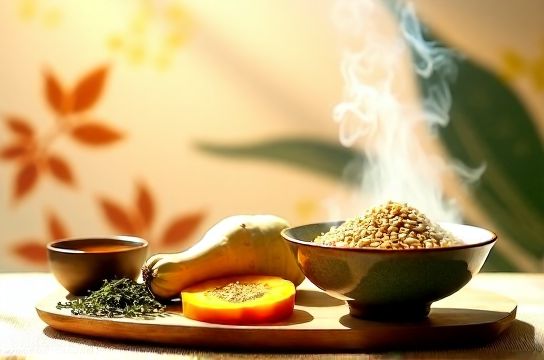
In TCM, digestion is ruled by the Spleen and Stomach Qi. When these energies are balanced, food transforms smoothly. But when they’re weak—hello gas, bloating, fatigue. The good news? Your plate can be your medicine.
Why Food Energetics Matter More Than Calories
Unlike Western nutrition, which focuses on macronutrients, TCM looks at food energetics: temperature (cooling, warming), taste (sweet, bitter, sour), and effect on organ systems. For example, raw salads may seem healthy, but their cold nature can weaken Spleen Qi over time—especially in those with chronic digestive issues.
Here’s a quick reference table of common foods and their TCM digestive impact:
| Food | TCM Nature | Digestive Effect | Best For |
|---|---|---|---|
| Cooked pumpkin | Sweet, Warm | Strengthens Spleen Qi | Weak digestion, diarrhea |
| Ginger (fresh) | Pungent, Warm | Warms Stomach, reduces nausea | Cold-type indigestion |
| Mung beans | Sweet, Cooling | Clears heat, aids detox | Heat-type bloating |
| Raw cabbage | Bitter, Cold | Can impair Spleen Qi if overeaten | Limited intake for weak digesters |
Notice a pattern? Cooking methods matter. Steaming, stewing, and soups are king in TCM—they pre-digest food, making nutrients easier to absorb.
Personalize Your Plate Like a TCM Pro
One-size-fits-all diets fail because bodies aren’t one-size. Are you a cold-type person (always chilly, loose stools)? Focus on warming foods like oats, cinnamon, and cooked carrots. Hot-type (acid reflux, constipation)? Try cooling foods like cucumber, pear, and tofu—but in moderation.
A 2021 study in the Journal of Ethnopharmacology found that participants following TCM dietary guidelines reported a 68% improvement in post-meal comfort within 6 weeks—no supplements needed.
And here’s a pro tip: eat your largest meal at lunch. That’s when your digestive fire (known as Gu Qi) peaks. Dinner should be light and early—ideally by 7 PM.
Build a Real-World TCM-Friendly Meal Plan
Still unsure? Start simple. Swap your morning smoothie (cold, hard to digest) for a warm bowl of congee with ginger. Add a side of steamed bok choy. This combo nourishes Spleen Qi and gently kickstarts metabolism.
For snacks, try roasted sweet potato slices or a small handful of walnuts—both grounding and Spleen-supportive. Avoid icy drinks; opt for warm water or mild herbal teas like chamomile or orange peel infusion.
Want to go deeper? Explore how TCM dietary choices align with your constitution. Or discover how small tweaks can lead to lasting digestive wellness.
Bottom line: Your gut doesn’t need more restriction. It needs wisdom. And sometimes, the oldest systems offer the clearest answers.