Self Care Rituals Inspired by TCM for Modern Living
- 时间:
- 浏览:111
- 来源:TCM1st
If you're feeling overwhelmed by the fast pace of modern life, you’re not alone. But what if the ancient wisdom of Traditional Chinese Medicine (TCM) could help you find balance—naturally? As someone who’s spent years diving into holistic wellness, I’ve discovered that TCM isn’t just about acupuncture or herbal remedies—it’s a lifestyle. And integrating simple self care rituals inspired by TCM can seriously upgrade your daily routine.
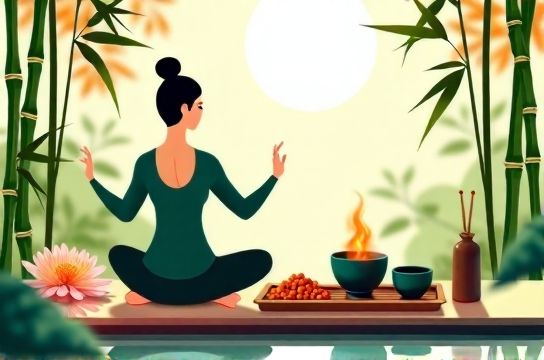
Forget one-size-fits-all wellness trends. TCM is all about harmony—balancing yin and yang, supporting Qi (your vital energy), and aligning with nature’s rhythms. The best part? You don’t need a full-on lifestyle overhaul to benefit. Just a few mindful tweaks can make a big difference.
Start with Your Daily Rhythm
In TCM, each organ system has a two-hour peak time during the day when it's most active. Aligning your habits with these cycles can boost energy and digestion. Here’s a quick reference:
| Time | Organ System | Wellness Tip |
|---|---|---|
| 5–7 AM | Large Intestine | Hydrate & gently stretch to support elimination |
| 7–9 AM | Stomach | Eat a warm, nourishing breakfast |
| 9–11 AM | Spleen | Avoid cold foods; focus on mental clarity |
| 11 AM–1 PM | Heart | Take a mindful break; avoid stress |
This isn’t mystical mumbo-jumbo—studies show circadian rhythms deeply affect metabolism and immunity. Working *with* your body, not against it, is pure common sense.
Embrace Food as Medicine
One of my favorite TCM self care practices is eating seasonally and warming the body from within. In winter, think soups and stews; in summer, lightly cooked veggies and cooling fruits. TCM categorizes food by thermal nature—cooling, neutral, or warming—which helps maintain internal balance.
For example, instead of reaching for ice water (which TCM sees as disruptive to digestion), try warm herbal tea. Ginger tea in the morning? Yes, please. It warms the Spleen and kickstarts metabolism.
Micro-Rituals That Make a Macro Impact
- Face Gua Sha: Just 3 minutes a day improves circulation and reduces tension. Use a jade or rose quartz tool with light pressure along the jaw and brow.
- Foot Soaks: Add ginger slices or Epsom salts before bed. In TCM, warming the feet supports Kidney energy and promotes deep sleep.
- Deep Belly Breathing: 5 minutes of diaphragmatic breathing calms the Shen (spirit) and regulates heart rate.
These aren’t spa-day luxuries—they’re practical, research-backed habits that fit into real life.
Bottom line: You don’t need to become a TCM master overnight. Start small. Listen to your body. And remember—true wellness isn’t about perfection. It’s about presence.