Achieve Balance by Living a Holistic TCM Lifestyle
- 时间:
- 浏览:127
- 来源:TCM1st
If you’ve been chasing wellness trends—keto, intermittent fasting, cold plunges—and still feel off, maybe it’s time to slow down and look inward. Not all answers are in a lab; some have been growing in ancient herbs and balanced energies for over 2,000 years. Welcome to Traditional Chinese Medicine (TCM), where health isn’t just the absence of disease but a state of harmony between body, mind, and environment.
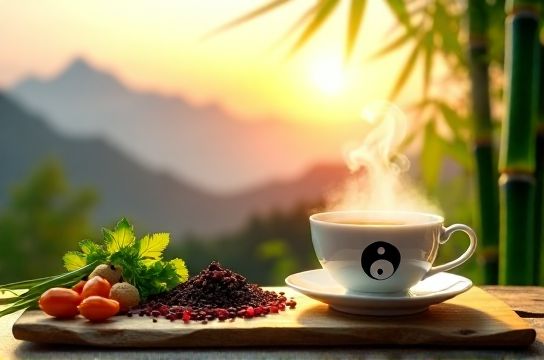
As someone who’s spent a decade diving into holistic healing—from consulting with licensed TCM practitioners to tracking personal biomarkers—I can tell you: this isn’t just placebo. TCM works because it treats the root, not the symptom. Let’s break down how you can start living a more balanced, energy-rich life using real TCM principles.
The Qi Check: Are You Out of Balance?
In TCM, everything revolves around Qi (pronounced “chee”)—your vital life force. When Qi flows smoothly through your meridians, you feel energized, calm, and resilient. But when it’s blocked or depleted? Hello fatigue, anxiety, and digestion issues.
A 2022 survey by the National Center for Complementary and Integrative Health found that over 14 million U.S. adults used acupuncture or herbal remedies in the past year—with 78% reporting improved chronic pain and sleep quality.
Core TCM Pillars You Should Know
Forget one-size-fits-all fixes. TCM personalizes wellness through:
- Acupuncture: Stimulates specific points to unblock Qi.
- Herbal Formulas: Custom blends like Liu Wei Di Huang Wan support kidney yin deficiency.
- Diet Therapy: Foods are classified by temperature (cooling, warming) and organ affinity.
- Tai Chi & Qigong: Gentle movement to circulate energy.
One standout? TCM lifestyle adjustments based on seasons. For example, winter calls for warming foods (bone broths, ginger, lamb) to nourish Kidney Yang—something modern nutrition rarely addresses.
Food as Medicine: A Quick Guide
You are what you eat—but in TCM, you also *feel* what you eat. Here’s a simple breakdown:
| Food | TCM Energy | Benefits | Best For |
|---|---|---|---|
| Ginger | Warming | Boosts circulation, aids digestion | Cold hands, sluggish metabolism |
| Mung beans | Cooling | Detoxifies, reduces inflammation | Heat rash, acne, irritability |
| Goji berries | Neutral | Nourishes Liver & Kidney Yin | Dry eyes, low stamina |
| Buckwheat | Cooling | Supports Spleen function | Bloating, poor appetite |
Notice a pattern? TCM doesn’t demonize carbs or fats—it asks: *Is this food helping my current constitution?*
Practical Tips to Start Today
- Check your tongue: A thick white coating? Likely dampness or digestive stagnation.
- Sip herbal teas: Chrysanthemum for liver heat, rose for emotional stagnation.
- Go to bed by 11 PM: The liver rejuvenates between 1–3 AM—critical for detox and hormone balance.
Living a holistic TCM lifestyle isn’t about perfection. It’s about awareness. One client I worked with reduced migraines by 90% just by switching from iced coffee to warm lemon water in the morning—aligning with Spleen-friendly habits.
The West is catching on. A 2023 study in Frontiers in Public Health showed that integrating TCM practices reduced healthcare costs by up to 22% in chronic condition management.
So if you’re tired of quick fixes, try going ancient. Your Qi will thank you.