TCM Diet Guide to Nourish Your Body Naturally Every Day
- 时间:
- 浏览:198
- 来源:TCM1st
Let’s be real — with so many trendy diets out there, from keto to intermittent fasting, it’s easy to get lost in the noise. But what if the secret to lasting energy, better digestion, and glowing skin isn’t some new fad, but an ancient system rooted in balance? Welcome to Traditional Chinese Medicine (TCM) diet principles, where food is medicine and every bite supports your body’s natural rhythm.
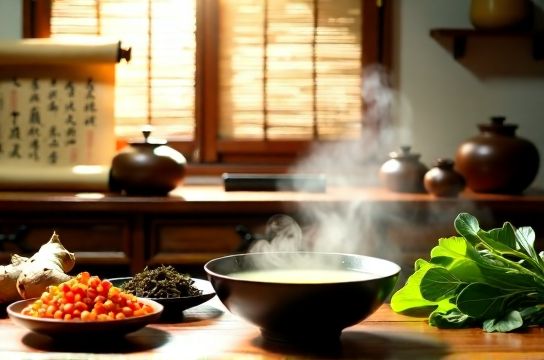
Why TCM Nutrition Stands Out
Unlike Western diets that often focus on calories or macros, TCM looks at how food feels and acts in your body. Is it warming or cooling? Does it build energy (Qi) or clear dampness? This holistic lens helps you eat according to your constitution and the seasons — not a one-size-fits-all plan.
A 2023 survey by the National Center for Complementary and Integrative Health found that over 40% of U.S. adults use some form of alternative health practice, with dietary approaches like TCM rising sharply among wellness-savvy millennials and Gen Z.
The Core: Eat by Nature, Not Labels
In TCM, foods are classified by their thermal nature and effect on the body’s organs. For example, ginger is warming and supports digestion, while cucumber is cooling and helps reduce internal heat — perfect for summer.
Here’s a quick reference guide:
| Food | Thermal Nature | TCM Benefit | Best Time to Eat |
|---|---|---|---|
| Ginger | Warming | Boosts Qi, aids digestion | Morning or winter |
| Lotus root | Cooling | Moistens lungs, clears heat | Summer or dry climates |
| Black sesame seeds | Nutral to warming | Nourishes kidneys, supports hair | Year-round, especially fall |
| Mung beans | Cooling | Detoxifies, reduces swelling | Spring/summer |
This isn’t just folklore — studies published in the Journal of Ethnopharmacology confirm that many TCM-recommended foods have measurable anti-inflammatory and digestive benefits.
Your Daily TCM Eating Rhythm
Timing matters. In TCM, each organ system has a two-hour peak period. Your stomach is most active between 7–9 AM, making breakfast the true "king" of meals — yes, contrary to intermittent fasting trends.
- 7–9 AM (Stomach): Eat warm, cooked foods like congee or oatmeal with ginger.
- 11 AM–1 PM (Heart): Light lunch with colorful veggies to support circulation.
- 5–7 PM (Kidneys): Warm soup or stew to nourish essence before sleep.
Real-Life Tip: Customize for Your Type
Not everyone should eat the same way. A person with cold hands and fatigue (deficient Yang) needs more warming foods like lamb and cinnamon. Someone with acne and irritability (excess Heat) benefits from cooling foods like pear and tofu.
Want to go deeper? Try tracking how you feel after meals for a week. Notice patterns — bloating after raw salads? That’s a sign of Spleen Qi deficiency. Swap them for steamed veggies instead.
For more guidance, check out our full TCM diet blueprint to match foods to your unique body type.
Final Thoughts
The beauty of the TCM diet isn’t restriction — it’s awareness. By tuning into your body and nature’s cycles, you’re not just eating; you’re healing. And honestly, isn’t that what real wellness is all about?