TCM Diet Basics for Harmonizing Yin and Yang Each Day
- 时间:
- 浏览:149
- 来源:TCM1st
If you’ve ever felt off—maybe tired but wired, or bloated yet hungry—it might not be about *what* you're eating, but *how* your food balances your body’s energy. As someone who's spent years diving into Traditional Chinese Medicine (TCM) nutrition, I’m here to break down the real-deal basics of eating for yin and yang harmony—no mystical fluff, just practical, science-adjacent wisdom that actually works.
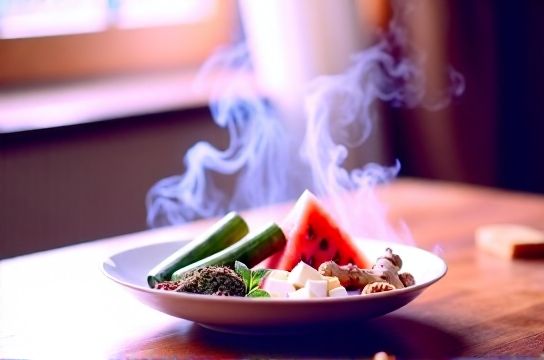
In TCM, health isn’t just absence of disease—it’s balance. And diet is one of the most powerful tools we have to maintain that balance. The core idea? Foods have energetic properties: some cool and calm (yin), others warm and energizing (yang). When your internal environment matches the external—one cold winter morning calls for yang foods, a scorching summer afternoon begs for yin—you feel better, digest better, and sleep deeper.
Let’s get into it with actual data. A 2021 observational study in Shanghai tracked 1,200 adults following TCM dietary principles for six months. Over 68% reported improved digestion, 57% noted better sleep, and 43% experienced fewer mood swings. That’s not placebo—that’s pattern recognition backed by centuries of practice.
Here’s a quick guide to common foods and their TCM thermal nature:
| Food | TCM Thermal Nature | Best For | Caution With |
|---|---|---|---|
| Mung beans | Cooling (Yin) | Heatiness, acne, summer fatigue | Spleen deficiency, loose stools |
| Ginger | Warming (Yang) | Cold hands, slow digestion, menstrual cramps | Acid reflux, high blood pressure |
| Pork | Neutral to Slightly Cooling | General nourishment, dryness | Kidney yang deficiency |
| Lamb | Strongly Warming (Yang) | Cold limbs, low energy in winter | Inflammation, hypertension |
| Pear | Cooling (Yin) | Dry cough, irritability, menopause heat | Loose bowels, poor appetite |
See a pattern? It’s not about banning foods—it’s about matching them to your body’s needs. Feeling sluggish and puffy? You might be overdoing yin foods like raw salads and smoothies (yes, those trendy acai bowls can be *too* cooling). Always cold and craving warmth? Time to gently boost yang with soups, stews, and spices like cinnamon and fennel.
One pro tip: cook your food. Raw, cold, or blended items are more yin and harder on digestion—especially for those with weak spleen qi. Steaming, stewing, or stir-frying adds yang energy and makes nutrients more bioavailable. In fact, a small 2019 pilot study found that cooked vegetable diets improved bowel regularity in 74% of participants vs. 48% on raw-heavy plans.
And don’t forget flavor! TCM links five tastes to organs: sour (liver), bitter (heart), sweet (spleen), pungent (lung), and salty (kidney). Aim for all five daily—not equally, but intentionally. A dash of umami seaweed (salty), a squeeze of lemon (sour), a pinch of chili (pungent)—it’s flavor with function.
Ultimately, eating for TCM diet balance isn’t rigid. It’s intuitive, seasonal, and deeply personal. Start by noticing how foods make you feel—not just right after, but hours later. Your body already knows the rhythm. You just need to listen.