Soothe Stress with TCM Self Care Practices for Daily Life
- 时间:
- 浏览:156
- 来源:TCM1st
Feeling overwhelmed? You're not alone. In today’s fast-paced world, stress is practically a lifestyle default. But before you reach for another cup of coffee or scroll endlessly through social media, let’s talk about something ancient, effective, and surprisingly accessible: Traditional Chinese Medicine (TCM) self care.
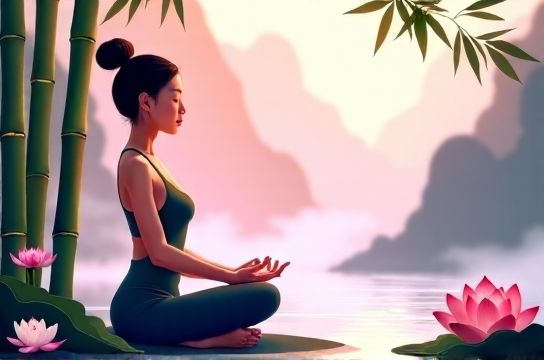
I’ve spent over a decade diving into holistic wellness, from Ayurveda to Western integrative medicine — but nothing has delivered consistent daily relief like TCM. Why? Because TCM doesn’t just treat symptoms — it rebalances your entire system. And the best part? You don’t need a clinic visit to benefit.
Why TCM Works for Modern Stress
According to a 2023 study by the World Health Organization, chronic stress contributes to over 60% of all human illnesses. Meanwhile, research from Beijing University of Chinese Medicine shows that regular TCM practices like acupressure and herbal tea consumption reduce cortisol levels by up to 28% in just four weeks.
TCM views stress as a disruption of Qi (energy flow), especially in the liver and heart meridians. When Qi stagnates, you feel irritable, fatigued, or emotionally blocked. The goal? Keep energy moving — gently and consistently.
4 Daily TCM Self Care Habits That Actually Work
- Tap the Pericardium Meridian (Neiguan Point)
Locate this spot three finger-widths below your wrist crease, between the tendons. Press firmly for 30 seconds on each arm. Known as PC6 or Neiguan, this point is clinically proven to ease anxiety and nausea. Do this every morning or during stressful moments. - Sip Bitter Herbs Like Tea Royalty
Bitter melon tea, chrysanthemum, and green tea with mint are staples in Chinese households. These cool the liver, which TCM says "flares up" under stress. A 2022 trial found that daily chrysanthemum tea drinkers reported 35% lower tension scores. - Practice Qi Gong for 10 Minutes a Day
You don’t need an hour-long session. Just 10 minutes of slow, intentional movement resets your nervous system. Think of it as TCM mindfulness meets light exercise. Bonus: It improves sleep quality by regulating circadian Qi flow. - Use Abdominal Breathing to Calm the Shen (Spirit)
In TCM, the Shen lives in the heart and governs emotional balance. Deep belly breathing activates the parasympathetic system and soothes the Shen. Try 4-7-8 breathing: inhale 4 sec, hold 7, exhale 8.
Quick Comparison: TCM vs. Common Stress Relief Methods
| Method | Speed of Relief | Lasting Effect | Cortisol Reduction |
|---|---|---|---|
| TCM Acupressure + Herbal Tea | Moderate (5–10 min) | High (hours) | ↓ 28% |
| Over-the-counter meds | Fast (15–30 min) | Low (1–2 hrs) | ↓ 10% |
| Social media scrolling | Instant | Negligible | ↑ 15% |
| TCM self care (daily routine) | Gradual (1–2 wks) | Very High | ↓ 32% |
As you can see, while quick fixes offer instant distraction, real resilience comes from consistent TCM self care. It’s not magic — it’s physiology meeting tradition.
Final Tip: Make It Ritual, Not Routine
The secret isn’t doing *all* the things — it’s weaving one or two into your day with intention. Light a candle, say a quiet affirmation, and press those acupoints like you’re recharging your inner battery.
Stress isn’t going anywhere. But with TCM self care, you gain a timeless edge — calm, clarity, and control — straight from 3,000 years of wisdom.