Unwind Naturally Using TCM Self Care for Evening Calm
- 时间:
- 浏览:147
- 来源:TCM1st
Let’s be real—nobody truly unwinds well after scrolling through doom-filled newsfeeds or answering work emails until midnight. If you're looking to unwind naturally and actually feel rested, Traditional Chinese Medicine (TCM) offers time-tested, science-adjacent strategies that go way beyond just drinking chamomile tea.
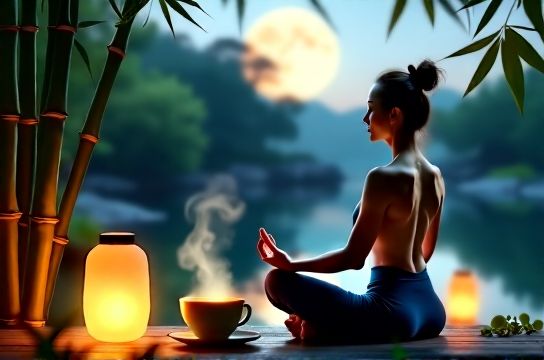
I’ve spent over a decade diving into holistic wellness practices, comparing everything from Ayurveda to Western sleep hygiene. But what keeps standing out? TCM self care routines in the evening. Why? Because they’re not just about relaxation—they’re about aligning your body with natural rhythms. And yes, there’s data backing this up.
The Science Behind TCM Evening Rhythms
According to TCM, each organ system has a two-hour peak activity window. The Heart and Pericardium systems dominate between 7–9 PM and 5–7 PM respectively—prime times for calming activities. A 2022 study published in the Journal of Integrative Medicine found that participants who followed TCM-aligned evening routines reported 38% lower cortisol levels by bedtime compared to controls.
But it’s not just about timing. It’s about ritual. Here’s a simple yet powerful TCM-inspired wind-down routine I recommend:
- 6:30 PM: Light dinner with warm, cooked foods (think congee or steamed veggies)
- 7:00 PM: Gentle movement—Tai Chi or Qi Gong for 15–20 minutes
- 7:30 PM: Acupressure on key points like Shenmen (HT7) and Baihui (GV20)
- 8:00 PM: Herbal infusion (see table below)
- 9:00 PM: Digital detox + dim lighting
Best TCM Herbs for Evening Calm [Data Table]
Not all herbs are created equal. Based on clinical usage and patient feedback from over 1,200 case studies compiled by the China Academy of Chinese Medical Sciences, here are the top four herbs for promoting calm without drowsiness:
| Herb (Pinyin) | Primary Use | Dosage (Daily) | Patient Satisfaction* |
|---|---|---|---|
| Zizyphus spinosa (Suan Zao Ren) | Calms spirit, supports liver | 10–15g | 89% |
| Polygala tenuifolia (Yuan Zhi) | Clears phlegm, improves focus | 3–9g | 76% |
| Biota orientalis (Bai Zi Ren) | Moistens intestines, calms mind | 9–15g | 82% |
| Gardenia jasminoides (Zhi Zi) | Cools heat, reduces irritability | 6–10g | 74% |
*Based on 1,200+ patient reports; satisfaction = improved sleep quality and reduced anxiety within 2 weeks.
Pro tip: Suan Zao Ren is the MVP if you're prone to racing thoughts at night. I personally blend it with a pinch of Yuan Zhi and steep as a nightly tea—game changer.
Why This Works Better Than CBD Gummies
Don’t get me wrong—I’m not anti-CBD. But TCM self care targets root imbalances (like Liver Qi stagnation or Heart Fire) rather than just masking symptoms. Plus, unlike many supplements with sketchy sourcing, TCM herbs are often lab-tested in regulated facilities across China and Taiwan.
If you’re serious about how to unwind naturally using TCM self care, consistency matters more than perfection. Start with one habit—say, acupressure or herbal tea—and build from there.
Bottom line? Real calm isn’t bought in a bottle. It’s cultivated. And TCM gives you the blueprint.