Fuel Your Life with the TCM Diet for Optimal Wellness
- 时间:
- 浏览:152
- 来源:TCM1st
Let’s be real — we’ve all tried flashy diets that promise miracles but leave us hangry and confused. But what if the secret to real, lasting wellness isn’t in a juice cleanse or keto cheat sheet… but in centuries-old wisdom? Enter: the TCM diet. Yep, Traditional Chinese Medicine isn’t just about acupuncture and cupping — it’s a full-on food philosophy that actually works with your body, not against it.
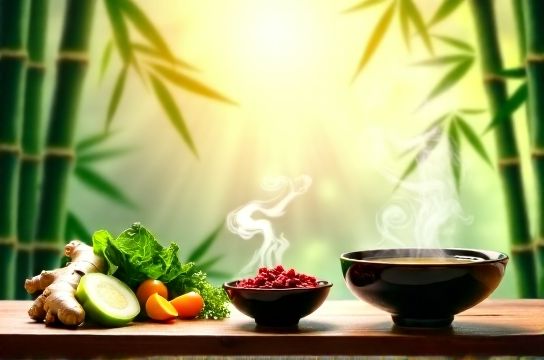
What Is the TCM Diet, Anyway?
The TCM diet is based on balancing your body’s internal environment using food as medicine. It’s not about calories or macros — it’s about energy (Qi), temperature, and how foods interact with your unique constitution. Think of it like tuning an instrument: when your body’s in harmony, you feel better, digest better, and even sleep better.
At its core, TCM categorizes foods by their energetic properties — hot, warm, neutral, cool, or cold — and links them to organ systems. For example, feeling sluggish? That might be ‘dampness’ or ‘spleen Qi deficiency.’ Craving sugar nonstop? Hello, liver imbalance.
Why Modern Health Needs Ancient Wisdom
A 2022 review published in Frontiers in Nutrition found that dietary patterns aligned with TCM principles showed measurable improvements in digestion, energy levels, and even mood regulation. Unlike Western 'one-size-fits-all' diets, TCM personalizes nutrition — which is why so many functional medicine pros are now blending it into their practices.
Still skeptical? Let’s break down some common foods and their TCM properties:
| Food | TCM Property | Effects on Body | Best For |
|---|---|---|---|
| Ginger | Warm | Boosts digestion, warms stomach | Cold hands, bloating |
| Banana | Cool | Moistens intestines, calms nerves | Dry skin, constipation |
| Millet | Neutral | Nourishes spleen, supports Qi | Weak digestion, fatigue |
| Peppermint | Cool | Clears heat, soothes liver | Irritability, headaches |
Notice a pattern? Cold foods aren’t just about temperature — they’re used to clear heat (think inflammation or acne). Warm foods help circulation and digestion. The key? Matching food energy to your body’s needs.
How to Start Your TCM Diet Journey
You don’t need to overhaul your kitchen overnight. Start by observing how you feel after meals. Bloated? That could mean too many raw, cold foods (yes, salads aren’t always your friend). Always tired after lunch? You might be eating too many damp-forming foods like dairy or refined sugar.
Try this simple swap: replace ice water with warm or room-temp water + lemon (in TCM, ice damages Spleen Qi). Swap raw veggies for lightly steamed ones — easier on digestion. Add warming spices like cinnamon, fennel, or ginger to your morning oats.
And if you're serious about long-term balance, consider getting your constitution assessed by a licensed TCM practitioner. It’s like a personalized nutrition GPS.
Final Thoughts
The TCM diet isn’t a trend — it’s a lifestyle upgrade rooted in real science and time-tested practice. When you start eating for balance instead of restriction, your body responds. More energy. Better digestion. Fewer cravings. Isn’t that what wellness is really about?