Restore Balance with Gentle TCM Self Care Methods
- 时间:
- 浏览:127
- 来源:TCM1st
If you're feeling off—maybe stressed, low on energy, or just not quite yourself—you’re not alone. In today’s fast-paced world, more people are turning to traditional Chinese medicine (TCM) self care to restore balance naturally. As a wellness blogger who’s spent years exploring holistic health, I’ve seen firsthand how small, consistent practices can make a big difference.
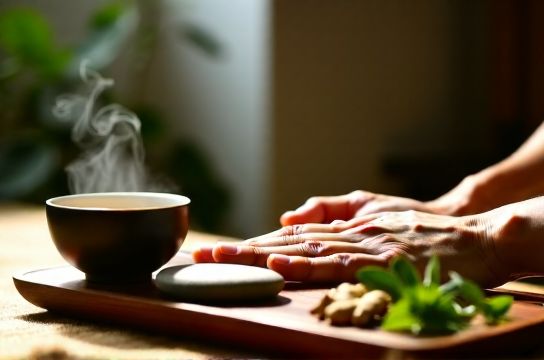
Unlike quick-fix Western solutions, TCM focuses on harmony—between body, mind, and environment. The goal isn’t just symptom relief; it’s long-term vitality. And the best part? You don’t need a clinic visit to start. With a few gentle TCM self care habits, you can support your body’s natural rhythms every day.
Why TCM Self Care Works
TCM sees health as a flow of energy, or “Qi” (pronounced “chee”), moving through meridians in the body. When Qi is blocked or unbalanced, we feel fatigue, tension, or illness. The idea behind TCM self care is to gently encourage smooth Qi flow using accessible techniques.
A 2022 survey by the National Center for Complementary and Integrative Health found that over 14 million U.S. adults use some form of TCM, including acupuncture and herbal remedies. But self-applied methods like acupressure and qigong are rising fast—especially among those seeking drug-free stress relief.
Top 4 Daily TCM Practices You Can Start Today
Here’s a breakdown of simple, research-backed techniques:
| Practice | Time Needed | Key Benefit | Best Time to Do It |
|---|---|---|---|
| Acupressure (Pericardium 6) | 3–5 min | Reduces nausea & anxiety | Morning or before bed |
| Facial Gua Sha | 5–10 min | Improves circulation & reduces puffiness | Morning routine |
| Qigong Breathing | 10 min | Boosts energy & focus | Midday reset |
| Herbal Tea (Chrysanthemum + Goji) | Brew time: 5 min | Supports liver & eye health | Afternoon |
These aren’t magic cures—but done consistently, they help your body return to balance. I’ve personally used gua sha for morning headaches and qigong breathing during work breaks. The results? Fewer migraines and better concentration.
Real Tips from Real Practice
You don’t need expensive tools. A jade roller or a smooth spoon works for gua sha. Press gently along your jawline and temples—always upward and outward. For acupressure, locate the P6 point on your inner wrist (three finger-widths below the palm). Apply firm but comfortable pressure for 1–2 minutes per side.
And if you’re new to herbs, try a ready-made TCM-inspired tea blend. Chrysanthemum cools internal heat (great if you’re irritable or overheated), while goji berries nourish the blood and eyes—perfect for screen-heavy days.
The key is consistency, not perfection. Even 5 minutes a day builds resilience over time. Think of it like brushing your teeth: small effort, big long-term payoff.
In a world that never slows down, TCM self care offers a gentle way to reclaim your energy and peace—naturally.