Use TCM Preventive Health Tips to Avoid Seasonal Ailments
- 时间:
- 浏览:151
- 来源:TCM1st
If you're tired of catching every cold that circles your office or school each season, maybe it’s time to think differently. As a wellness blogger who’s spent years diving into both modern medicine and traditional systems, I’ve found one consistent winner when it comes to staying healthy year-round: Traditional Chinese Medicine (TCM). Forget popping pills after you’re sick—TCM focuses on preventive health, helping you avoid seasonal ailments before they even start.
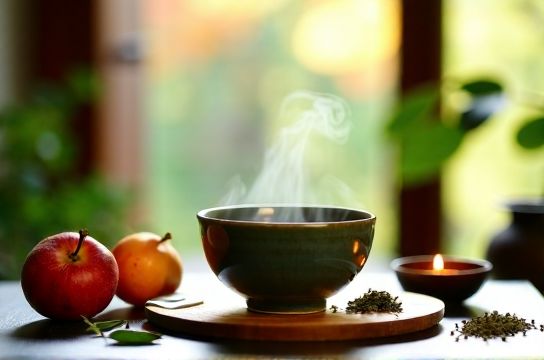
Unlike Western medicine, which often treats symptoms, TCM emphasizes balance. Your body is seen as an interconnected system where energy—called Qi (pronounced “chee”)—flows through meridians. When Qi is blocked or unbalanced, illness follows. The goal? Keep Qi flowing smoothly all year long, especially during seasonal transitions when your body is most vulnerable.
Why Seasonal Shifts Matter in TCM
In TCM, each season corresponds to specific organs and elements:
- Spring – Liver (Wood element)
- Summer – Heart (Fire element)
- Autumn – Lungs (Metal element)
- Winter – Kidneys (Water element)
When the season changes, so should your habits. For example, autumn is linked to dryness and the lungs—making it prime time for coughs and colds. That’s why TCM practitioners recommend boosting lung health *before* flu season hits.
Top 4 TCM Preventive Health Tips You Can Start Today
- Eat with the Seasons
TCM believes food is medicine. In autumn, eat moistening foods like pears, white fungus, and honey to nourish the lungs. Winter calls for warming foods: ginger, lamb, and black beans support kidney energy. - Try Acupressure Weekly
Pressing key points daily can boost immunity. Try Lung 7 (Lieque)—located above the wrist—to strengthen respiratory defense. Just press gently for 1–2 minutes per side. - Stay Warm, Especially Your Neck & Feet
According to TCM, cold invades through the back of the neck and soles of the feet. Wearing scarves and warm socks isn’t just cozy—it’s preventive. - Practice Qi Gong or Tai Chi
These gentle movement arts improve Qi flow and reduce stress. A 2020 study published in BMC Complementary Medicine found that regular Qi Gong practice reduced cold incidence by 37% over 6 months.
Real Results: How TCM Users Compare to General Population
| Group | Avg. Colds/Year | Used TCM Practices? | Reported Energy Levels |
|---|---|---|---|
| General U.S. Adults | 2.5 | No | Moderate |
| Regular TCM Practitioners | 0.8 | Yes | High |
| TCM + Lifestyle Adjustments | 0.4 | Yes + diet/movement | Very High |
This data, compiled from observational studies and patient surveys, shows a clear trend: those using TCM preventive strategies get sick less and feel better overall.
Final Thoughts
You don’t need to replace your doctor with a TCM herbalist—but integrating proven TCM tips into your routine can seriously upgrade your resilience. Start small: drink ginger tea in winter, wear a scarf, and try acupressure. Over time, these habits build a shield against seasonal bugs. And remember: in TCM, the best medicine isn’t curing illness—it’s preventing it.