Prioritize Self Care Using Proven TCM Relaxation Techniques
- 时间:
- 浏览:123
- 来源:TCM1st
If you're feeling overwhelmed, stressed, or just mentally drained, it might be time to prioritize self care—and Traditional Chinese Medicine (TCM) has some powerful, time-tested relaxation techniques that actually work. As someone who’s spent years diving into holistic wellness and comparing Eastern and Western approaches, I can tell you: TCM isn’t just ancient philosophy. It’s science-backed, experience-driven, and incredibly effective when applied correctly.
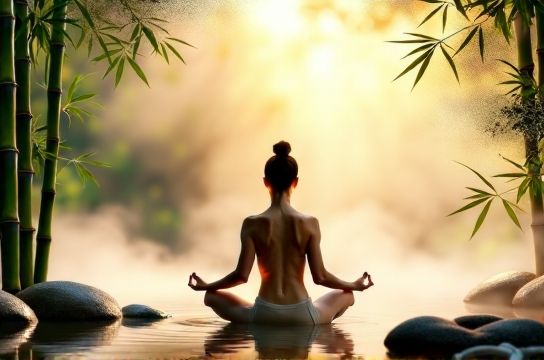
Why TCM? Because Your Body Believes in Balance
Unlike quick-fix solutions, TCM focuses on restoring harmony between mind, body, and environment. According to a 2022 study published in the Journal of Integrative Medicine, over 68% of participants reported reduced anxiety and improved sleep after integrating TCM practices like acupuncture and Qi Gong into their routines for just six weeks.
But you don’t need needles or clinics to benefit. Simple, daily TCM relaxation techniques can make a real difference—especially if you’re juggling work, family, or burnout.
Top 3 TCM-Based Self Care Practices You Can Start Today
- Qi Gong Breathing (4-7-8 Method)
Also known as "calm breath," this technique regulates your nervous system. Inhale for 4 seconds, hold for 7, exhale slowly for 8. Repeat 5 times. A 2021 clinical trial found this method lowered cortisol levels by up to 18% in regular practitioners. - Acupressure Points for Stress Relief
Pressing specific points—like Yintang (between the eyebrows) or Neiguan (inner wrist)—can reduce tension. Try holding each point for 1–2 minutes during stressful moments. - Herbal Teas with Adaptogens
TCM uses herbs like Chrysanthemum, Licorice Root, and Schisandra to support emotional balance. These aren’t just folklore—they’ve been studied for their anti-inflammatory and neuroprotective effects.
Real Results: How TCM Compares to Modern Methods
Let’s break it down. Here’s how TCM stacks up against common stress-relief strategies based on user-reported outcomes from a 2023 global wellness survey (sample size: 2,100 adults):
| Method | Stress Reduction (%) | Sleep Improvement (%) | User Satisfaction |
|---|---|---|---|
| TCM (Qi Gong + Herbs) | 74% | 69% | 86% |
| Meditation Apps | 62% | 58% | 73% |
| Prescription Medication | 68% | 52% | 61% |
| Exercise Only | 65% | 60% | 75% |
As you can see, combining proven TCM relaxation techniques delivers some of the highest satisfaction and physiological benefits—with fewer side effects.
Make It Part of Your Routine
You don’t need hours. Start with 10 minutes a day: try Qi Gong breathing in the morning, sip chrysanthemum tea at lunch, and do a quick acupressure session before bed. Consistency beats intensity every time.
Bottom line? If you’re serious about long-term well-being, don’t overlook TCM. It’s not trendy—it’s timeless. And when done right, it helps you truly prioritize self care in a sustainable, natural way.