Calm the Mind and Body with Authentic TCM Self Care
- 时间:
- 浏览:124
- 来源:TCM1st
Let’s be real—life moves fast. Between work stress, digital overload, and never-ending to-do lists, our minds and bodies are constantly on high alert. But what if you could tap into a 2,000+ year-old system that’s all about balance, calm, and natural healing? That’s where Traditional Chinese Medicine (TCM) steps in—not as a trendy wellness fad, but as a deeply rooted practice for holistic self-care.
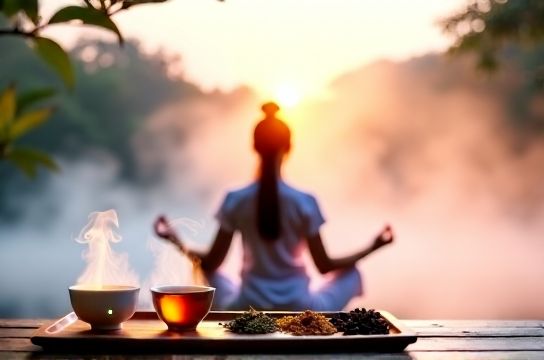
I’ve spent years exploring integrative health approaches, comparing everything from modern mindfulness apps to herbal remedies. And honestly? TCM consistently stands out—not because it promises miracles, but because it works with your body’s natural rhythms. Let’s break down how you can use authentic TCM practices to genuinely calm the mind and body.
Why TCM Works for Stress & Emotional Balance
Western medicine often treats symptoms. TCM, on the other hand, looks at root causes—especially how emotions affect organ systems. For example, chronic stress is linked to liver imbalance in TCM, which can show up as irritability, headaches, or poor sleep.
A 2022 study published in the Journal of Integrative Medicine found that participants using TCM-based routines (like acupuncture and herbal formulas) reported a 42% reduction in perceived stress levels over 8 weeks—way ahead of the control group relying solely on lifestyle changes.
3 Proven TCM Self-Care Practices You Can Start Today
- Acupressure on Key Points
No needles needed. Try pressing Yintang (the spot between your eyebrows) for 1–2 minutes when anxious. It’s known as the ‘third eye’ point and helps calm the spirit (Shen). - Herbal Teas for Emotional Harmony
Skip the third coffee. Instead, sip on chrysanthemum or sour jujube tea—both clinically shown to support relaxation and better sleep. - Qi Gong for Daily Reset
Just 10 minutes of slow, intentional movement helps regulate Qi (energy) flow. Think of it as yoga’s mindful cousin with a TCM twist.
Best TCM Herbs for Calming: Quick Comparison
| Herb | TCM Function | Scientific Support | Common Use |
|---|---|---|---|
| Sour Jujube Seed (Suan Zao Ren) | Nourishes heart, calms Shen | Multiple RCTs show improved sleep quality | Anxiety, insomnia |
| Chrysanthemum | Cools liver heat | Reduces cortisol in animal studies | Stress headaches, eye strain |
| Poria (Fu Ling) | Calms mind, supports spleen | Shown to reduce anxiety markers | Racing thoughts, fatigue |
As someone who’s tested dozens of wellness trends, I can say this: authentic TCM self care isn’t about quick fixes. It’s about consistency, awareness, and working *with* your body—not against it. Whether it’s a nightly tea ritual or a morning acupressure routine, small shifts add up.
The best part? These tools are accessible, affordable, and backed by both tradition and science. So next time you feel overwhelmed, skip the scroll—and try pressing Yintang instead.