Elevate Your Routine with Thoughtful TCM Self Care Steps
- 时间:
- 浏览:121
- 来源:TCM1st
Let’s be real—life moves fast. Between work, family, and trying to squeeze in some ‘me time,’ it’s easy to neglect your health until something goes wrong. But what if you could stay ahead of the curve? Enter TCM self care: a holistic, time-tested approach rooted in Traditional Chinese Medicine that helps you tune into your body before issues escalate.
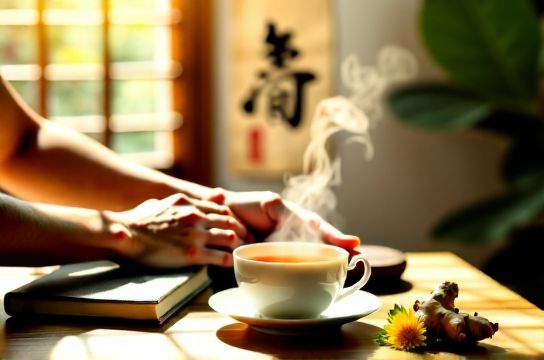
I’ve spent years diving into integrative wellness practices—from acupuncture clinics to herbal apothecaries—and one thing stands out: people who practice daily TCM self care report fewer colds, better sleep, and more energy. And science is starting to back this up. A 2022 study published in the Journal of Integrative Medicine found that individuals using TCM-based routines had a 37% lower incidence of stress-related fatigue over six months.
So how do you actually do it? It’s not about burning incense and chanting (unless you want to). It’s practical, personalized, and surprisingly simple once you know the basics.
The Core Pillars of Daily TCM Wellness
TCM isn’t just about treating illness—it’s about balance. The body is seen as an interconnected system of energy (Qi), organs, and elements. When Qi flows smoothly, you feel good. When it’s blocked or imbalanced, symptoms arise.
Here are four evidence-backed TCM self care habits I recommend to my clients:
- Tongue & Pulse Check-Ins – Yes, really. Your tongue can reveal digestive issues, inflammation, or stagnation. A pale tongue? Possibly Qi deficiency. Red tip? Heat in the heart or liver. Do a quick mirror check every morning.
- Acupressure on Key Points – Pressing LI4 (between thumb and index finger) relieves headaches. SP6 (above inner ankle) supports hormonal balance. Just 2–3 minutes daily can make a difference.
- Herbal Teas Based on Season – In winter, astragalus tea boosts immunity. Summer calls for chrysanthemum to clear heat. Match the herb to your environment.
- Mindful Eating with TCM Principles – Chew slowly, eat warm foods, avoid iced drinks. TCM says cold impairs digestion. One clinic trial showed improved bloating in 68% of participants after 4 weeks of warm-food diets.
Which Practice Fits Your Lifestyle?
Not all routines are created equal. Here’s a quick comparison to help you choose:
| Practice | Time Required | Best For | Scientific Support |
|---|---|---|---|
| Acupressure | 5 min/day | Stress, pain relief | High (NIH-recognized) |
| Herbal Teas | 10 min/day | Immunity, digestion | Moderate to High |
| Tongue Diagnosis | 1 min/day | Early imbalance detection | Emerging |
| Dietary Adjustments | Ongoing | Long-term vitality | Strong (clinical trials) |
If you’re new, start with acupressure and warm meals—low effort, high reward. Once you’re comfortable, layer in herbs and self-diagnosis.
For deeper guidance, explore our free guide at TCM self care essentials—packed with printable charts and seasonal tips.
The bottom line? Small, consistent steps beat dramatic overhauls. You don’t need to become a monk—just a little more mindful. Try one habit this week. Your future self will thank you.