TCM Diet Essentials for Optimal Preventive Health
- 时间:
- 浏览:125
- 来源:TCM1st
If you're diving into natural wellness, the TCM diet might just be your missing puzzle piece. Rooted in thousands of years of Chinese medical wisdom, Traditional Chinese Medicine (TCM) doesn’t just treat illness—it prevents it. And at the heart of this prevention? Food as medicine.
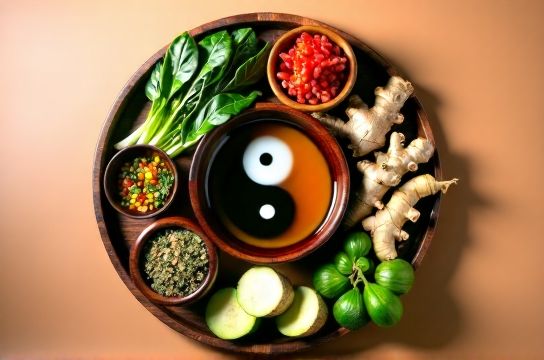
I’ve spent over a decade studying holistic nutrition, and what sets TCM apart is its personalized approach. No one-size-fits-all meal plans. Instead, it’s about balancing your body’s qi, or vital energy, through seasonal eating, food energetics, and mindful combinations.
Why Your Body Loves a TCM-Inspired Diet
Western diets often focus on macros: proteins, fats, carbs. TCM flips that script. It asks: Is this food warming or cooling? Does it build moisture or dry it out? The answer shapes how your digestion, immunity, and even mood respond.
For example, chronic bloating isn’t just ‘bad digestion’—in TCM, it’s often a sign of Spleen Qi deficiency. Instead of antacids, we reach for cooked root vegetables, ginger, and small, frequent meals. Simple? Yes. Effective? Absolutely.
Core Principles of the TCM Diet
- Balance Yin and Yang: Cooling (yin) foods like cucumber balance heating (yang) foods like chili.
- Eat with the Seasons: Summer calls for melons; winter demands soups and stews.
- Honor the Spleen-Stomach Axis: Raw foods stress digestion—cooking is key.
- Flavor Therapy: Each taste (sweet, sour, bitter, spicy, salty) affects an organ system.
Foods to Embrace (and Avoid) Based on TCM
Here’s a quick-reference guide to common foods and their TCM properties:
| Food | TCM Nature | Effect on Body | Best For |
|---|---|---|---|
| Ginger | Warming, Spicy | Boosts digestion, warms cold limbs | Cold hands, slow digestion |
| Cucumber | Cooling, Sweet | Clears heat, hydrates | Hot flashes, summer heat |
| White Rice | Neutral, Sweet | Nourishes Qi, strengthens Spleen | Weak immunity, fatigue |
| Ice Water | Very Cooling | Slows digestion, damages Spleen Qi | Avoid if prone to bloating |
| Persimmon | Cooling | Moistens lungs, but can cause diarrhea if overeaten | Dry cough, constipation |
Notice a pattern? Most processed and icy foods are big no-nos in TCM dietary practice. They disrupt the delicate digestive fire known as the “Middle Burner.”
Real-Life Application: A Day on a TCM Diet
Let’s walk through a balanced day:
- Breakfast: Congee (rice porridge) with ginger and scallions—easy to digest, warms the stomach.
- Lunch: Steamed veggies, tofu, and brown rice—neutral and nourishing.
- Dinner: Chicken soup with mushrooms and carrots—builds Qi and supports immunity.
- Snacks: Warm herbal tea or a small handful of walnuts (warming, kidney-supportive).
No juice cleanses. No keto shocks. Just real, gentle fuel.
Science Meets Tradition
You might wonder: Is there proof? A 2021 review in Frontiers in Nutrition highlighted that plant-based, cooked diets—just like those in TCM—correlate with lower inflammation and better gut health. While Western science catches up, millions worldwide already feel the benefits.
The truth? You don’t need to choose between modern nutrition and ancient wisdom. Blend them. Start by swapping ice water for room-temperature tea. Try cooking your veggies. Notice how you feel.
Want deeper insights? Explore our guide to TCM food therapy fundamentals and unlock your body’s natural balance—one bite at a time.