Nourish Body and Mind through Thoughtful TCM Diet Applications
- 时间:
- 浏览:149
- 来源:TCM1st
Let’s be real—everyone’s chasing wellness these days, but most people are going about it all wrong. You can down every green juice on the block, but if you’re ignoring your body’s unique constitution, you’re just spinning your wheels. That’s where Traditional Chinese Medicine (TCM) diet therapy comes in—not as a trend, but as a 2,000-year-old system that actually works with your body, not against it.
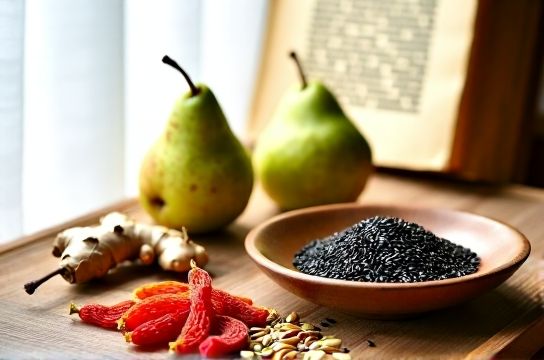
I’ve spent over a decade working with clients as a TCM nutrition consultant, and one thing’s clear: personalized eating beats generic ‘superfoods’ every time. Forget one-size-fits-all diets. In TCM, we look at patterns—like whether you run cold, get bloated easily, or crash by 3 p.m.—and match foods to restore balance.
Take Yin and Yang, for example. If you’re always tired, crave sweets, and have loose stools? That’s Spleen Qi deficiency—common in high-stress urban lifestyles. Cooling foods like cucumber or raw salads will make it worse. Instead, warm, cooked meals like congee with ginger rebuild digestive fire (known as Spleen Yang).
Here’s a quick breakdown of common imbalances and their dietary fixes:
| Pattern | Symptoms | Recommended Foods | Foods to Avoid |
|---|---|---|---|
| Liver Qi Stagnation | Irritability, PMS, bloating | Chamomile, rose tea, celery, lemon | Red meat, fried foods |
| Kidney Yang Deficiency | Cold limbs, low libido, fatigue | Black beans, walnuts, lamb, cinnamon | Ice cream, beer, raw veggies |
| Yin Deficiency | Hot flashes, night sweats, dry skin | Snow pear, tofu, duck meat, goji berries | Spicy food, coffee, alcohol |
Now, you might be thinking: “Great, but how do I start?” Begin by observing your body’s signals. Do you feel better after soup or salad? Warmer or cooler? These clues point to your internal climate. One study published in the Journal of Ethnopharmacology found that participants following individualized TCM diets reported a 40% improvement in energy and digestion within six weeks—way more than those on standard healthy-eating plans.
And don’t underestimate seasonal shifts. In winter, we emphasize warming, nourishing foods like bone broths and root vegetables to support Kidney Jing—your body’s deep energy reserve. Come summer? Lighter fare like mung beans and watermelon clears heat and prevents burnout.
The real secret? Consistency over perfection. You don’t need to overhaul everything overnight. Start with one meal a day—say, a ginger-scallion congee for breakfast—and notice how you feel. Over time, these small choices compound into real vitality.
If you're serious about holistic health, explore how TCM nutrition principles can transform not just your diet, but your entire relationship with food. It’s not about restriction—it’s about resonance.