Explore Medicinal Foods in Traditional Chinese Medicine Practices
- 时间:
- 浏览:107
- 来源:TCM1st
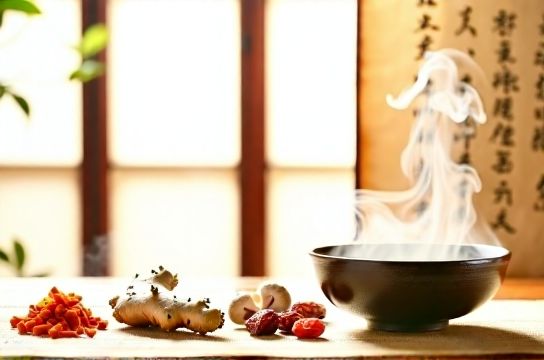
If you've ever wondered why your grandma insisted on drinking goji berry tea or adding red dates to soups, welcome to the world of medicinal foods in Traditional Chinese Medicine (TCM). These aren’t just old wives’ tales — they’re centuries-old practices rooted in balancing the body’s energy, or “Qi.” As someone who’s spent over a decade researching and applying TCM principles, I’m breaking down how everyday foods double as healing agents — and which ones actually work, backed by both tradition and science.
What Are Medicinal Foods in TCM?
In TCM, food is medicine. Unlike Western diets that focus on calories and macros, TCM categorizes foods by their energetic properties: hot, warm, neutral, cool, or cold. The goal? Match your food to your body’s condition. Feeling sluggish and cold? You might need warming foods like ginger or lamb. Breaking out with acne? That’s heat — reach for cooling cucumber or mung beans.
One of the most powerful concepts is “food therapy” — using diet to prevent and treat imbalances before they become full-blown illnesses. And yes, there’s real data behind it. A 2021 study published in Frontiers in Nutrition found that TCM dietary patterns correlated with lower rates of chronic inflammation and improved gut health.
Top 5 Evidence-Backed Medicinal Foods
Let’s cut through the noise. Here are the top five medicinal foods validated by both clinical use and research:
| Food | TCM Property | Health Benefit | Scientific Support |
|---|---|---|---|
| Ginger (Sheng Jiang) | Warm | Digestive aid, reduces nausea | Meta-analysis in Food Science & Nutrition, 2020 |
| Goji Berries (Gou Qi Zi) | Neutral | Boosts immunity, eye health | Study in Oxidative Medicine and Cellular Longevity, 2019 |
| Job’s Tears (Yi Yi Ren) | Cool | Reduces dampness, supports skin | Clinical trials on edema reduction |
| Red Dates (Da Zao) | Warm | Blood tonic, calms nerves | Used in TCM hospitals for anemia |
| Mung Beans | Cool | Detoxifies, lowers heat | Rich in antioxidants, peer-reviewed |
How to Use Them Daily
You don’t need a PhD to start. Try this: swap your morning coffee for a slice of ginger boiled in water with a few red dates. It warms the spleen, boosts energy, and won’t spike your blood sugar. Or, cook Job’s tears into a porridge twice a week to tackle bloating and oily skin — a staple in southern China for generations.
The key is consistency and personalization. What works for your friend with cold hands may not suit your fiery, acne-prone roommate. That’s where understanding your constitution comes in — another cornerstone of Traditional Chinese Medicine.
Final Thoughts
Medicinal foods aren’t magic bullets, but they’re powerful tools when used wisely. By blending ancient wisdom with modern evidence, you can transform your kitchen into a wellness hub. Start small, observe changes, and let your body guide you.