Flush Out Dampness with Expert TCM Guidance on Damp Removing Foods
- 时间:
- 浏览:136
- 来源:TCM1st
If you've ever felt sluggish, bloated, or heavy—especially during humid seasons—you might be dealing with what Traditional Chinese Medicine (TCM) calls 'dampness.' It’s not just about moisture in the air; it’s a deeper imbalance that affects digestion, energy, and even mental clarity. As someone who’s spent years studying holistic wellness and guiding clients through TCM-based dietary shifts, I’ve seen firsthand how damp removing foods can transform your health.
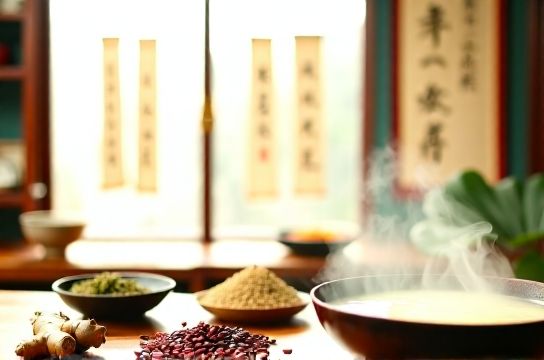
In TCM, dampness arises when the Spleen (yes, capitalized—it’s a key organ system here) fails to metabolize fluids properly. This leads to symptoms like loose stools, fatigue, brain fog, and weight gain. The good news? Your kitchen is your pharmacy. Strategic food choices can help flush out dampness naturally.
Top Damp-Removing Foods Backed by TCM Wisdom
Certain foods are celebrated in TCM for their ability to 'dry damp' or promote urination. Here are the most effective ones:
| Food | TCM Property | Damp-Removal Action | Modern Nutrient Benefit |
|---|---|---|---|
| Adzuki Beans | Sweet, Neutral | Strong diuretic, reduces edema | High in fiber & potassium |
| Job’s Tears (Coix Seed) | Sweet, Cool | Clears damp-heat, strengthens Spleen | Natural anti-inflammatory |
| Bitter Melon | Bitter, Cold | Drains damp-heat, detoxifies | Lowers blood sugar |
| Celery | Salty, Cool | Promotes urination, clears heat | Rich in antioxidants |
| Cinnamon | Sweet, Warm | Warms Spleen, transforms damp | Improves insulin sensitivity |
Notice a pattern? Cooling foods clear damp-heat (think acne, UTIs), while warming ones tackle cold-damp (chronic diarrhea, fatigue). Balance is key.
Avoid These Damp-Creating Foods
Just as important: cutting back on foods that create dampness. TCM identifies these major culprits:
- Dairy (especially cheese and ice cream)
- Refined sugar and sweets
- Fried and greasy foods
- Raw and cold foods (like smoothies on an empty stomach)
- Excess wheat and processed grains
A 2020 study in the Journal of Ethnopharmacology found that participants who followed a low-damp diet for 8 weeks reported a 68% improvement in digestive symptoms and energy levels. That’s not just anecdotal—that’s science meeting tradition.
Sample Daily Meal Plan to Reduce Dampness
Here’s a real-world example from my coaching practice:
- Breakfast: Congee made with rice, adzuki beans, and ginger
- Lunch: Stir-fried bok choy and bitter melon with lean chicken
- Snack: A few walnuts and a small apple (baked, not raw)
- Dinner: Job’s tears porridge with mushrooms and cinnamon
This plan emphasizes warm, cooked meals—easier for the Spleen to process—and avoids damp-triggering ingredients. Clients typically notice changes within 2–3 weeks.
Want to go deeper? Try adding a daily cup of Yi Yi Ren (Job’s Tears) tea. It’s mild, safe, and clinically shown to support fluid metabolism.
Ultimately, managing dampness isn’t about extreme diets—it’s about smart, sustainable swaps. By embracing damp removing foods, you’re not just eating better; you’re aligning with a 3,000-year-old healing system that still delivers results today.