Hydrate Deeply and Prevent Dryness with TCM Yin Nourishing Recipes
- 时间:
- 浏览:174
- 来源:TCM1st
If you're constantly battling dry skin, fatigue, or that mid-afternoon brain fog, it might not be your moisturizer—or lack of coffee—it could be a Yin deficiency. As someone who’s been deep in the wellness space for over a decade, I’ve seen countless people chase hydration with serums and water bottles while ignoring what’s really going on beneath the surface: your body’s internal moisture balance.
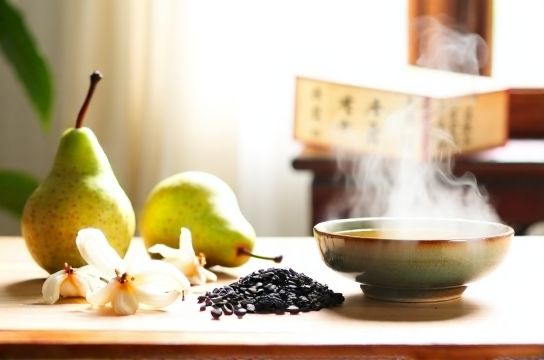
In Traditional Chinese Medicine (TCM), Yin nourishing is the golden key to combating dryness—not just on the skin, but systemically. Think of Yin as your body’s cooling, moistening force. When it’s low, you feel dry, overheated, and drained. The good news? You can replenish it naturally through food.
Top 5 TCM Yin-Nourishing Foods & Their Benefits
These aren’t just old wives’ tales—many have been studied for their hydrating and anti-inflammatory properties. Here’s a quick-reference guide:
| Food | TCM Action | Modern Nutrients | Best For |
|---|---|---|---|
| Lily Bulb (Bai He) | Moistens lungs, calms mind | Fiber, selenium, antioxidants | Dry cough, insomnia |
| Snow Fungus (Silver Ear) | Nourishes Yin, beautifies skin | Polysaccharides, collagen-like gel | Dehydrated skin, fatigue |
| White Sesame Seeds | Lubricates intestines, enriches blood | Calcium, healthy fats, vitamin E | Constipation, brittle hair |
| Pear (cooked) | Moves lung heat, generates fluids | Vitamin C, sorbitol, water (84%) | Throat dryness, thirst |
| Duck Meat | Enriches Yin, cools body | Iron, B vitamins, lean protein | Chronic fatigue, night sweats |
As you can see, these foods do double duty—honoring TCM principles while packing modern-day superfood credentials.
Simple Recipe: Snow Fungus & Pear Soup (Serves 4)
This is my go-to TCM yin nourishing dessert—creamy, slightly sweet, and deeply hydrating without refined sugar.
- 15g dried snow fungus (soaked)
- 2 pears, peeled and cubed
- 10 red dates (pitted)
- 1 tbsp goji berries
- 4 cups water
- Honey (optional, add at end)
Simmer everything except goji and honey for 60 mins. Add goji last 10 minutes. Sweeten lightly if needed. Best served warm, 3x/week during dry seasons.
Pro tip: Cook with a lid slightly ajar to preserve the soup’s Yin-cooling nature—boiling too vigorously turns it Yang, which defeats the purpose.
When to Use Yin-Nourishing Foods?
They’re especially powerful in autumn and winter when dry air zaps moisture, or for anyone with signs like:
- Cracked lips or dry eyes
- Afternoon flushes or night sweats
- Hard stools or dark urine
- Restlessness or irritability
Just remember: Yin tonics are not for everyone. If you have dampness or poor digestion (think bloating, loose stools), consult a TCM practitioner first—because yes, even good things need balance.