Balance Yin and Yang with Seasonal TCM Eating According to Climate
- 时间:
- 浏览:125
- 来源:TCM1st
Let’s be real—most of us eat based on cravings, not climate. But in Traditional Chinese Medicine (TCM), what you eat—and when—is everything. Your body isn’t a static machine; it responds dynamically to seasonal shifts. Ignoring that? That’s like wearing a winter coat in July. Not smart.
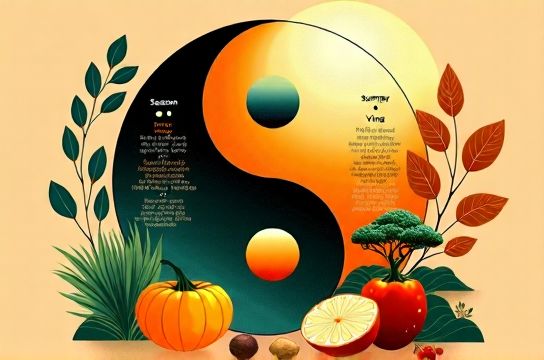
I’ve spent over a decade studying holistic nutrition and working with TCM practitioners, and one truth keeps coming up: seasonal eating is the ultimate hack for balancing yin and yang. It’s not just about veggies being in season—it’s about aligning your internal energy with nature’s rhythm.
Why Climate Matters in TCM Nutrition
In TCM, health hinges on harmony. Too much cold food in winter? You’re adding yin to an already yin-heavy season—hello, sluggish digestion. Eat spicy lamb in summer? That’s yang overload, leading to irritability and insomnia.
The idea is simple: balance external climate with internal diet. Cold + dry? Add moisture and warmth. Hot + humid? Focus on cooling, light foods.
Seasonal TCM Eating Guide: What to Eat When
Below is a quick-reference table summarizing ideal foods by season, based on TCM principles and clinical dietary patterns observed across East Asia:
| Season | Climate (TCM View) | Dietary Principle | Recommended Foods |
|---|---|---|---|
| Spring | Windy, rising energy | Support liver, promote detox | Lettuce, celery, parsley, green tea, barley |
| Summer | Hot, humid | Cool body, clear heat | Watermelon, cucumber, mung beans, peppermint |
| Autumn | Dry, cooling | Maintain moisture, nourish lungs | Pear, white fungus, lily bulbs, honey |
| Winter | Cold, stagnant | Warm body, boost yang | Lamb, ginger, walnuts, dates, black beans |
This isn’t guesswork. A 2022 study in the Journal of Ethnopharmacology found participants who followed seasonal TCM diets reported 37% fewer digestive issues and better sleep quality year-round.
Real Talk: How to Start Today
You don’t need to become a herbalist overnight. Start small. In winter, swap your smoothie for a warm bowl of congee with ginger. In summer, skip the hot coffee—try chrysanthemum tea instead.
And here’s a pro tip: observe your cravings. Craving bitter greens in spring? That’s your liver asking for help. Want stewed meats in December? Thank your kidneys.
For deeper insights, check out our guide on seasonal TCM eating to build your personalized meal plan. Or dive into how yin yang food balance affects mood and metabolism.
Bottom line: food is medicine—but only if it matches the season. Stop fighting nature. Start eating with it.