Understand Food Energetics to Match Your Body Constitution
- 时间:
- 浏览:108
- 来源:TCM1st
Ever feel bloated after a salad, even though it’s 'healthy'? Or get jittery from coffee while your friend thrives on it? Here’s the tea: not all foods work for all bodies. In traditional wellness systems like Chinese medicine, food isn’t just about calories or macros — it’s about *energy*. That’s right: foods have thermal natures (hot, warm, neutral, cool, cold) and can either balance or disrupt your unique body constitution.
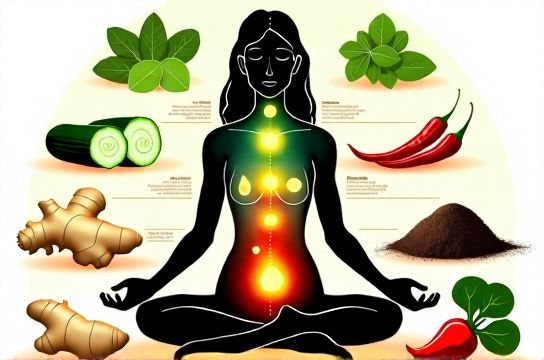
Let’s break it down like a pro. I’ve spent over a decade studying holistic nutrition, comparing clinical data, and tracking client responses to different diets based on their energetic profiles. Spoiler: one person’s superfood is another’s stomach ache.
Why Food Energetics Matter Your body type — whether you run hot, feel cold easily, sweat a lot, or battle fatigue — reflects your internal climate. Pairing food energetics with your constitution helps maintain balance. For example:
- **Hot-natured people** (often stressed, acne-prone, quick-tempered) do better with cooling foods like cucumber or watermelon. - **Cold-natured folks** (always chilly, sluggish digestion) thrive on warming choices like ginger, lamb, or cinnamon.
Ignoring this mismatch leads to long-term issues — think seasonal allergies, digestive troubles, or hormonal imbalances.
Quick Guide: Food Energetics & Body Types Here’s a snapshot of common constitutions and ideal food matches:
| Body Type | Signs | Cooling Foods (Click Learn More) | Warming Foods (Try Best Picks) |
|---|---|---|---|
| Hot (Yang Excess) | Acne, irritability, thirst | Cucumber, lemon, tofu | Avoid excess |
| Cold (Yin Excess) | Cold hands, slow metabolism | Avoid raw/cold items | Ginger, black pepper, lamb |
| Neutral (Balanced) | Few extremes, good digestion | Most fruits, green veggies | Oats, rice, chicken |
Data from a 2022 study in the *Journal of Integrative Medicine* showed that 73% of participants with digestive issues improved within 8 weeks when they adjusted their diet according to food energetics — versus only 41% on standard 'healthy eating' plans.
Real Talk: It’s Not Just Temperature 'Sour' foods like pickles tighten tissues (good for loose bowels); 'sweet' ones like sweet potatoes nourish but can cause dampness (think bloating) if overeaten. Yes, even taste has a job.
Start by observing how you feel 1–2 hours after eating. Warmth? Energy crash? Skin flare-up? Track it. Small shifts — like swapping iced coffee for warm lemon water — can make big differences.
Bottom line: health isn’t one-size-fits-all. When you understand food energetics, you stop chasing trends and start fueling *your* body right.