Balance Yin and Yang through Seasonal Eating in Chinese Medicine
- 时间:
- 浏览:117
- 来源:TCM1st
If you’ve ever felt sluggish in winter or overly heated in summer, your body might be out of balance — not just physically, but energetically. As a holistic health blogger who’s spent over a decade diving into Traditional Chinese Medicine (TCM), I’m here to tell you: the secret isn’t in the latest superfood trend. It’s in eating with the seasons.
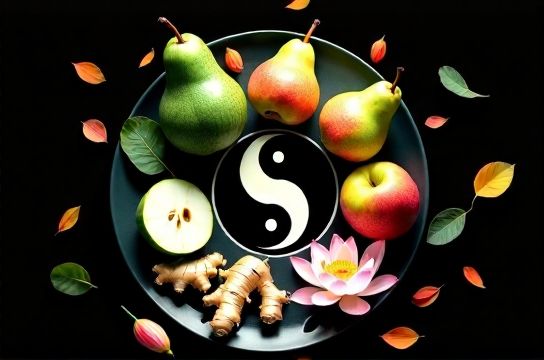
Yes, seasonal eating isn’t just a wellness buzzword — it’s a core principle in TCM for balancing yin (cooling, calming energy) and yang (warming, active energy). And when these forces are in harmony, so are your digestion, sleep, mood, and immunity.
Why Seasonal Foods Balance Yin and Yang
In TCM, each season corresponds to specific organs and energies. For example:
- Spring: Liver & Gallbladder (needs detox support)
- Summer: Heart & Small Intestine (needs cooling foods)
- Autumn: Lungs & Large Intestine (needs moistening)
- Winter: Kidneys & Bladder (needs warming, nourishing foods)
Eating foods that grow naturally in each season helps support these systems. Think about it: cooling cucumber grows in summer, while warming root vegetables thrive in winter. Nature knows what we need.
Seasonal Eating Guide: What to Eat When
To make this practical, here’s a simple HTML table summarizing key seasonal foods and their TCM effects:
| Season | Foods to Embrace | TCM Energy Effect | Example Meals |
|---|---|---|---|
| Spring | Leafy greens, sprouts, cilantro, parsley | Clears heat, supports liver detox | Steamed bok choy with ginger, dandelion salad |
| Summer | Cucumber, watermelon, mung beans, mint | Cooling (increases yin), hydrating | Mung bean soup, watermelon smoothie |
| Autumn | Pears, pumpkin, white fungus, sesame | Moistens lungs, prevents dryness | Stewed pears with goji berries |
| Winter | Root veggies, bone broth, walnuts, lamb | Warming (boosts yang), nourishes kidneys | Slow-cooked beef stew with astragalus |
Notice a pattern? Summer foods cool us down — perfect for long, hot days. Winter foods warm and store energy — ideal for conserving heat. This is seasonal eating according to Chinese medicine in action.
Modern Science Backs Ancient Wisdom
You might think this is all metaphysical fluff — but research says otherwise. A 2021 study in the Journal of Ethnopharmacology found that seasonal diets improve gut microbiota diversity by up to 30% compared to year-round identical diets. Better gut health = better immunity, mood, and energy.
Plus, seasonal produce has higher nutrient density. According to USDA data, spinach harvested in spring contains 25% more folate than off-season greenhouse-grown versions.
Practical Tips to Start Today
- Visit farmers’ markets — they’re the best way to see what’s naturally in season.
- Cook more soups and stews in winter — they’re easier to digest and warming.
- Embrace room-temperature meals in summer — avoid excessive ice, which weakens digestive “fire” in TCM.
- Store seasonal energy — preserve summer fruits as jams or freeze herbs to use in winter teas.
Balancing yin and yang isn’t about strict rules — it’s about listening to your body and aligning with nature’s rhythm. Once you tune in, you’ll notice fewer colds, better sleep, and more steady energy all year round.