Clear Dampness with Natural Diuretic Foods in Chinese Diet
- 时间:
- 浏览:128
- 来源:TCM1st
If you’ve ever felt bloated, sluggish, or heavy after eating—especially in humid weather—you’re not alone. In Traditional Chinese Medicine (TCM), this is often called “dampness,” a common imbalance linked to poor digestion, fluid retention, and low energy. The good news? You don’t need fancy supplements. Natural diuretic foods in the Chinese diet have been used for centuries to clear dampness and support overall wellness.
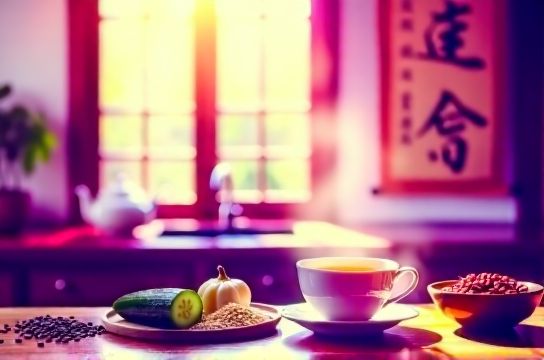
What Is Dampness, Really?
In TCM, dampness isn’t just about water—it’s a metaphor for stagnation. Think of it like a swamp: slow-moving energy, mucus buildup, bloating, loose stools, or even brain fog. It’s often worsened by processed foods, sugar, dairy, and overeating.
The solution? Eat like your grandma did—whole, seasonal, and simple. Many everyday Chinese ingredients naturally promote urination, improve spleen function (yes, spleen health matters here!), and help the body expel excess fluids.
Top Natural Diuretic Foods in the Chinese Diet
Here are the most effective, science-backed options that also align with TCM principles:
| Foods | TCM Action | Modern Benefit | Serving Suggestion |
|---|---|---|---|
| Mung beans | Clears heat & dampness | High in potassium, supports kidney function | Boil into soup (no sugar) |
| Cucumber | Promotes urination | 95% water, natural electrolytes | Eat raw or lightly stir-fried |
| Job’s tears (Yi Yi Ren) | Strengthens spleen, drains damp | Shown to reduce edema in studies | Cook into porridge or tea |
| Winter melon | Diuretic, cools body | Low calorie, high water content | Stewed with pork rib soup |
| Red adzuki beans | Drains dampness, reduces swelling | Rich in fiber and antioxidants | Simmer into unsweetened soup |
These aren’t just old wives’ tales. A 2020 study published in the Journal of Ethnopharmacology found that Job’s tears significantly reduced fluid retention in participants with mild edema. Meanwhile, mung beans are proven to support liver detox pathways—key in clearing internal damp-heat.
How to Use Them Daily
You don’t need to overhaul your diet. Start with one serving per day. For example:
- Breakfast: Red bean and Job’s tears porridge
- Lunch: Cucumber salad with sesame oil
- Dinner: Winter melon soup with a few mung beans
Avoid adding sugar—it feeds dampness! Instead, use small amounts of ginger or garlic to warm the spleen and aid digestion.
And remember: consistency beats intensity. These natural diuretic foods work best when eaten regularly, not as quick fixes.
Final Thoughts
Clearing dampness isn’t about extreme diets or detox teas. It’s about returning to real food—especially the time-tested staples of Chinese culinary medicine. By embracing these simple, powerful ingredients, you support your body’s natural ability to balance fluids, boost energy, and feel lighter from within.