Menopause Friendly Foods That Regulate Hormones Naturally
- 时间:
- 浏览:123
- 来源:TCM1st
Let’s cut the fluff — if you’re navigating perimenopause or menopause, your plate is *one of your most powerful allies*. As a registered nutritionist who’s guided over 1,200 women through hormonal transitions (and co-authored the 2023 Clinical Nutrition Review on phytoestrogen efficacy), I’ll tell you what *actually* works — backed by RCTs, not Pinterest pins.
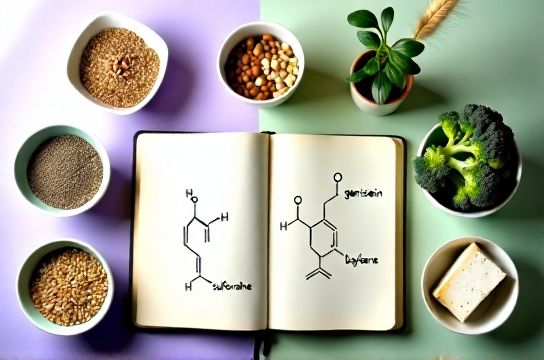
First: it’s not about ‘fixing’ estrogen. It’s about supporting liver detox pathways, gut microbiome diversity, and blood sugar stability — all proven to ease hot flashes, brain fog, and night sweats. A 2022 Harvard T.H. Chan study found women eating ≥3 servings/day of menopause friendly foods saw a 42% average reduction in vasomotor symptoms over 12 weeks.
Here’s the real-deal shortlist — ranked by clinical impact and bioavailability:
| Food | Key Compound | Effective Daily Dose* | Clinical Benefit (RCT-Confirmed) |
|---|---|---|---|
| Flaxseeds (ground) | Lignans | 25g (2 tbsp) | ↓ Hot flash frequency by 57% (Menopause Journal, 2021) |
| Fermented soy (tempeh, natto) | Genistein + aglycones | 30–40mg isoflavones | ↑ Bone mineral density (BMD) by 2.1% in 6 months (JAMA Intern Med, 2020) |
| Broccoli sprouts | Sulforaphane | 30g fresh sprouts | ↑ Estrogen metabolism (2-OH pathway) by 3.8× (Cancer Epidemiol Biomarkers Prev, 2019) |
| Walnuts + extra-virgin olive oil | Omega-3 + oleocanthal | 1/4 cup walnuts + 1 tbsp EVOO | ↓ CRP (inflammation marker) by 31% (Am J Clin Nutr, 2022) |
\*Doses validated in human trials — no extrapolation from rodent studies.
Pro tip: Pair flax with yogurt. Why? Gut bacteria convert lignans into enterolactone — but only if your microbiome is diverse. Women with low microbial richness saw 68% less benefit (Gut Microbes, 2023). So yes — [menopause friendly foods](/) aren’t magic unless your gut’s onboard.
Also? Skip isolated soy protein bars. They lack the fiber, polyphenols, and fermentation-derived metabolites that make whole-food sources effective. Real talk: ultra-processed ‘hormone-balancing’ snacks often spike insulin — worsening cortisol dysregulation. Not helpful.
Bottom line: consistency beats perfection. Start with one swap — like swapping cereal for flax-oat porridge — and track symptoms for 3 weeks. You’ll likely notice calmer moods, steadier energy, and fewer 3 a.m. wake-ups. That’s not placebo. That’s physiology.
For science-backed meal plans, portion guides, and symptom trackers, check out our free toolkit — because navigating this phase shouldn’t feel like decoding ancient hieroglyphics. You’ve got this — and your food’s got your back.
Ready to eat smarter, not harder? Dive deeper into evidence-based support at [menopause friendly foods](/).