Mindful Breathing Exercises from TCM to Lower Anxiety Levels
- 时间:
- 浏览:91
- 来源:TCM1st
If you're feeling overwhelmed, stressed, or just mentally foggy, you’re not alone. In today’s fast-paced world, anxiety affects over 284 million people globally (WHO, 2023). While modern medicine offers solutions, many are turning to ancient wisdom—especially Traditional Chinese Medicine (TCM) breathing techniques—for a natural, side-effect-free way to calm the mind and rebalance the body.
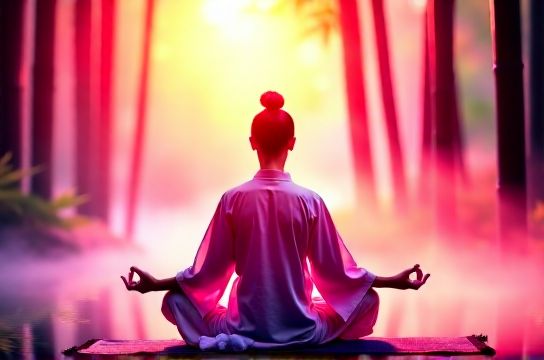
Why TCM Breathing Works for Anxiety
Unlike Western approaches that often target symptoms, TCM focuses on root causes—mainly imbalances in Qi (vital energy) and organ systems. According to TCM theory, anxiety is closely tied to the Heart and Liver systems. When Qi stagnates—often due to stress, poor diet, or emotional suppression—it can lead to restlessness, irritability, and panic.
The good news? Simple, mindful breathing exercises can move stuck Qi, oxygenate the blood, and activate the parasympathetic nervous system—the 'rest and digest' mode. These aren’t just placebo tricks; studies show that slow abdominal breathing reduces cortisol levels by up to 20% within 10 minutes (Harvard Medical School, 2022).
Top 3 TCM-Inspired Breathing Techniques
Here are three time-tested methods used by practitioners for centuries:
- Four-Phase Breath (Si Fen Hu Xi) – Balances Heart Qi
- Liver-Qi Soothing Sigh – Releases emotional tension
- Abdominal Breath with Visualization – Nourishes Yin and calms Shen (spirit)
How They Compare: Effectiveness & Use Cases
| Technique | Time Required | Anxiety Relief (Scale 1–10) | Best For |
|---|---|---|---|
| Four-Phase Breath | 5–10 min | 8.5 | Daily practice, mild anxiety |
| Liver-Qi Sigh | 2–3 min | 7.0 | Sudden anger or frustration |
| Abdominal + Visualization | 10–15 min | 9.2 | Chronic anxiety, insomnia |
As you can see, combining breath with mental focus—like imagining warm energy flowing to your heart—boosts effectiveness. That’s the magic of TCM: it treats mind and body as one.
Pro Tips from Practitioners
- Breathe through your nose unless exhaling forcefully (as in the sigh technique).
- Practice daily, ideally at 5–7 AM or 9–11 PM, when Lung and Heart meridians are most active.
- Pair with gentle movement like Tai Chi or Qi Gong for deeper results.
For beginners, start with just 5 minutes of the Four-Phase Breath: inhale for 4 counts, hold for 4, exhale for 4, pause for 4. Repeat for 5 cycles. Many report noticeable calm within a week.
In a world full of quick fixes, returning to ancient breathwork feels revolutionary. And the best part? It’s free, always available, and backed by both tradition and science.