Energy Management Tips Using Chinese Medicine Principles Daily
- 时间:
- 浏览:100
- 来源:TCM1st
If you're feeling drained by midday or struggling to stay focused, it might be time to rethink your energy management. As someone who’s spent years diving into holistic wellness—especially Chinese medicine principles—I can tell you: Western habits like chugging coffee or power-napping aren’t the only solutions. Ancient Eastern wisdom offers a smarter, sustainable way to balance your daily energy.
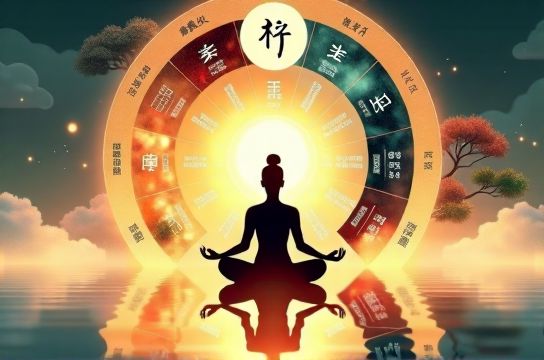
At the core of Traditional Chinese Medicine (TCM) is the concept of Qi (pronounced “chee”)—your body’s vital life force. When Qi flows smoothly through your meridians, you feel alert, calm, and productive. But when it’s blocked or unbalanced? Hello, fatigue, brain fog, and irritability.
The good news? You don’t need acupuncture every day to benefit. Small, intentional habits aligned with TCM can transform your energy levels—naturally.
1. Sync With Your Body Clock (The Chinese Organ Clock)
One of the most powerful tools in TCM is the Chinese Organ Clock, a 24-hour cycle mapping organ systems to two-hour windows. Each organ peaks in activity during its time slot, making it ideal for specific tasks—or rest.
Here’s a simplified version:
| Time | Organ System | Best Activities |
|---|---|---|
| 5–7 AM | Lung | Breathing exercises, light stretching |
| 7–9 AM | Spleen/Stomach | Eat a hearty breakfast |
| 9–11 AM | Spleen | Focused work |
| 11 AM–1 PM | Heart | Creative tasks, meetings |
| 1–3 PM | Small Intestine | Processing food & info |
| 3–5 PM | Bladder | Physical activity |
| 5–7 PM | Kidney | Relax, hydrate |
For example, scheduling deep work between 9–11 AM aligns with spleen energy, which governs mental clarity. Feeling sluggish at 3 PM? That’s bladder time—perfect for a walk, not another espresso.
2. Eat for Energy, Not Just Hunger
In Chinese medicine principles, food is medicine. The Spleen (yes, capitalized—it’s a big deal in TCM) transforms food into usable energy. Cold smoothies or raw salads for breakfast? They’re hard on the Spleen. Instead, go warm and cooked: congee, oatmeal, or miso soup.
A 2020 study in the Journal of Integrative Medicine found that participants following TCM dietary guidelines reported 32% higher sustained energy levels compared to controls.
3. Move Stagnant Qi With Micro-Movements
Sitting all day = Qi stagnation. Try ‘Qi Gong tapping’—lightly drumming your hands along the arms and legs—to stimulate flow. Even 60 seconds resets your system.
Bottom line: Managing energy isn’t about pushing harder. It’s about working *with* your body’s natural rhythms. Start small. Try one tip for a week. Your future self will thank you.