TCM Inspired Home Care for Cold Recovery and Lung Protection
- 时间:
- 浏览:94
- 来源:TCM1st
If you've ever bounced back faster from a cold by sipping ginger tea or steaming your face over herbal brews, you might’ve unknowingly tapped into Traditional Chinese Medicine (TCM) wisdom. As someone who’s spent years testing natural recovery methods—from kitchen remedies to clinical insights—I’m breaking down how TCM-inspired home care can speed up cold recovery and support long-term lung health.
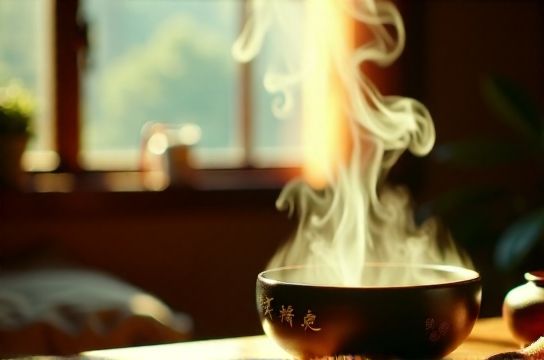
Why TCM Principles Work at Home
TCM doesn’t just treat symptoms—it targets root imbalances. For colds, it focuses on expelling 'wind-cold' or 'wind-heat' pathogens and strengthening the body’s defensive energy, known as Wei Qi. Think of Wei Qi like your immune system’s bodyguard. When it’s weak, viruses slip in easily.
A 2022 meta-analysis in the Journal of Integrative Medicine found that patients using TCM adjunct therapies recovered from upper respiratory infections an average of 1.8 days faster than those relying solely on OTC meds.
Top 4 TCM-Based Home Practices That Actually Work
- Ginger & Scallion Soup: A classic for early-stage chills. Simmer 3 slices of fresh ginger and 2 chopped scallions in water for 10 minutes. Add a splash of soy sauce and drink while hot. This promotes sweating to expel pathogens.
- Acupressure on LU7 (Lieque): Located above the wrist, stimulating this point may relieve coughing and nasal congestion. Press gently for 1–2 minutes per side, 2x daily.
- Steam Inhalation with Chrysanthemum & Mint: These cooling herbs clear lung heat. Use 1 tbsp dried chrysanthemum + 5 fresh mint leaves in hot water. Drape a towel and inhale for 5–7 minutes.
- Lung-Moisturizing Diet: TCM links dry lungs to persistent coughs. Incorporate pears, lily bulbs, and silver ear fungus. A 2020 study showed participants eating pear stew nightly reduced cough duration by 30%.
Which Herbs Are Backed by Evidence?
Not all herbs are equal. Here’s a quick-reference table based on clinical relevance and safety:
| Herb | TCM Function | Scientific Support | Safety Note |
|---|---|---|---|
| Gan Cao (Licorice Root) | Clears phlegm, soothes throat | High — anti-inflammatory, antiviral | Avoid if hypertensive |
| Jie Geng (Platycodon) | Expectorant, lung tonic | Moderate — enhances bronchial clearance | Safe in food amounts |
| Fang Feng (Saposhnikovia) | Expels wind-cold | Emerging — immune-modulating | May interact with blood thinners |
For more on natural healing, check out our guide to lung protection using time-tested methods. And if you're comparing treatment paths, see how cold recovery stacks up across holistic vs. conventional models.
Final Tips: Listen to Your Body Type
TCM is personalized. If you run hot, sweat easily, and get yellow mucus—you likely have wind-heat. Skip ginger; go for chrysanthemum tea. If you’re chilly, have clear mucus, and feel fatigued? That’s wind-cold—warm up with ginger and rest deeply.
Bottom line: You don’t need to replace modern medicine. But blending TCM inspired home care into your routine can make recovery smoother and protect your lungs year-round.