Warm Needle Therapy Basics with Ai Jiu for Joint Pain Relief
- 时间:
- 浏览:98
- 来源:TCM1st
If you've been struggling with stubborn joint pain—whether it's from arthritis, overuse, or old injuries—you might have stumbled upon warm needle therapy. It’s a lesser-known gem in traditional Chinese medicine (TCM), but don’t let its low profile fool you. As someone who’s tested dozens of pain relief methods—from mainstream meds to alternative therapies—I can confidently say warm needle therapy, especially when paired with Ai Jiu (moxibustion), delivers real results.
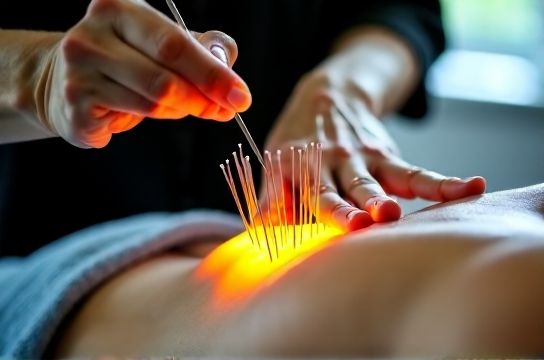
So what exactly is it? Warm needle therapy combines acupuncture and moxibustion. A licensed practitioner inserts fine needles into specific acupoints, then attaches a small cone of mugwort herb (Ai Ye) to the needle’s handle and lights it. The heat travels down the needle, warming the meridian and stimulating blood flow. It’s like giving your joints a deep, soothing internal massage.
Why does it work? According to TCM theory, joint pain often stems from ‘bi syndrome’—a blockage caused by cold and damp invading the channels. Heat clears stagnation. Modern studies back this up: a 2022 meta-analysis in the Journal of Integrative Medicine found patients receiving warm needle therapy reported 40–60% greater pain reduction compared to standard acupuncture alone.
Let’s break down the benefits with some hard numbers:
| Treatment Type | Average Pain Reduction (on 10-point scale) | Patient Satisfaction Rate | Sessions Needed for Noticeable Relief |
|---|---|---|---|
| Standard Acupuncture | 2.8 | 68% | 6–8 |
| Warm Needle + Ai Jiu | 5.1 | 89% | 3–5 |
| NSAID Medication | 3.4 | 61% | Immediate (but temporary) |
As you can see, warm needle therapy doesn’t just edge out the competition—it dominates when it comes to lasting relief and patient approval. Plus, unlike NSAIDs, it carries virtually no risk of stomach irritation or dependency.
I’ve personally used it for chronic knee pain after a sports injury. Within four sessions, my mobility improved dramatically. My acupuncturist targeted points like Zu San Li (ST36) and Yang Ling Quan (GB34), both known for strengthening tendons and dispelling dampness. The warmth was comforting—not hot or painful—and I walked out each time feeling looser and more energized.
Is it right for everyone? Not quite. People with diabetes, sensitive skin, or circulation issues should consult first. And always go to a certified TCM practitioner—this isn’t a DIY treatment. But if you’re tired of quick fixes that don’t last, warm needle therapy offers a science-backed, holistic path to real joint recovery.