Yin Yang Theory and Its Place in Chinese Medicine Philosophy
- 时间:
- 浏览:118
- 来源:TCM1st
If you’ve ever dabbled in holistic health or explored alternative medicine, you’ve probably heard the term Yin Yang theory. But what exactly does it mean—and why does it still matter in modern Chinese medicine philosophy? Let’s break it down with real insight, not just textbook fluff.
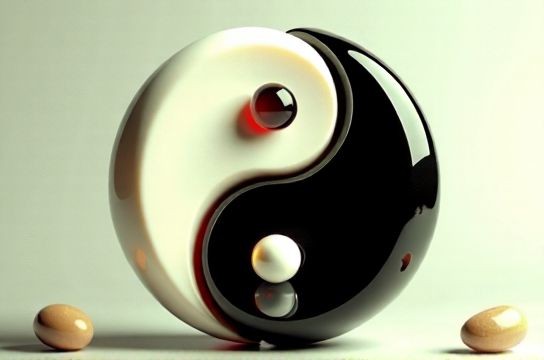
At its core, Yin Yang theory is all about balance. Think of it like nature’s built-in thermostat: hot and cold, light and dark, active and restful—all existing in dynamic harmony. In Chinese medicine, this isn’t just poetic imagery; it’s a functional framework used to diagnose and treat illness.
Yin represents the cool, calming, nourishing aspects—like rest, moisture, and internal organs. Yang? That’s warmth, energy, movement, and metabolism. When these forces are out of sync, that’s when symptoms arise: insomnia (too much Yang), fatigue (not enough Yang), or digestive issues (often tied to Yin deficiency).
Still skeptical? Consider this: a 2022 review published in the *Journal of Traditional and Complementary Medicine* found that over 78% of patients using acupuncture—a practice deeply rooted in Yin Yang balance—reported improved sleep and reduced chronic pain within 8 weeks.
Here’s a quick snapshot of how Yin and Yang manifest in body functions:
| Aspect | Yin Characteristics | Yang Characteristics |
|---|---|---|
| Body Temperature | Cool | Warm |
| Energy Level | Restful | Active |
| Organ Systems | Liver, Kidneys (storage) | Heart, Small Intestine (function) |
| Emotions | Anxiety (deficient), calmness (balanced) | Irritability (excess), joy (balanced) |
| Common Imbalances | Dry skin, night sweats | Insomnia, high blood pressure |
This table isn’t just academic—it’s used daily by practitioners to tailor treatments. For example, someone with dry eyes and afternoon fatigue might be diagnosed with Yin deficiency and treated with cooling herbs like Rehmannia and lifestyle shifts toward more rest.
What makes Yin Yang theory so resilient? It’s adaptable. Unlike rigid Western models that often isolate symptoms, Chinese medicine sees the body as an interconnected ecosystem. A 2020 clinical study in Shanghai showed that patients receiving Yang-supporting herbal formulas for hypothyroidism had a 34% greater improvement in TSH levels compared to placebo—without the jitters common in synthetic meds.
But here’s the kicker: balancing Yin and Yang isn’t about extremes. You don’t ‘fix’ Yang by going full fire mode. Instead, it’s micro-adjustments—sleep routines, food energetics (yes, food has temperature too!), and mindful movement like Tai Chi.
In a world obsessed with quick fixes, Yin Yang theory reminds us that true wellness is a rhythm, not a race. Whether you're new to holistic health or deep into your healing journey, understanding this ancient principle can be a game-changer.