A Closer Look at the Philosophical Roots of TCM Healing
- 时间:
- 浏览:102
- 来源:TCM1st
If you've ever tried acupuncture for back pain or sipped goji berry tea 'for balance,' you’ve dipped a toe into Traditional Chinese Medicine (TCM). But TCM isn’t just herbs and needles—it’s built on centuries-old philosophy. As someone who's spent over a decade researching holistic healing systems, I’m often asked: Why does TCM work the way it does? The answer lies in its philosophical DNA.
The Big Three: Daoism, Yin-Yang, and the Five Elements
At the heart of TCM are three core philosophies: Daoism (Taoism), the concept of Yin and Yang, and the Five Elements (Wood, Fire, Earth, Metal, Water). These aren’t mystical fluff—they’re ancient frameworks for understanding nature, the body, and health.
Daoism, founded by Laozi around the 6th century BCE, teaches that life flows best when we align with the Dao—the natural way of the universe. In TCM, this means health comes from harmony, not control. You won’t find aggressive treatments here; instead, practitioners aim to restore balance in the body gently, using diet, herbs, and energy work like Qi Gong.
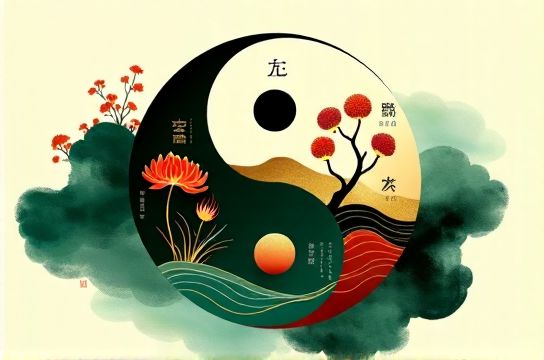
Then there’s Yin and Yang—opposing but complementary forces. Think hot/cold, active/passive, internal/external. In the body, illness arises when these forces fall out of sync. For example, chronic fatigue might be seen as excessive Yin (lack of energy), while anxiety could reflect too much Yang (overstimulation).
How the Five Elements Shape Diagnosis
The Five Elements theory maps natural cycles onto human physiology. Each element connects to specific organs, emotions, and seasons:
| Element | Organs | Emotion | Season |
|---|---|---|---|
| Wood | Liver, Gallbladder | Anger | Spring |
| Fire | Heart, Small Intestine | Joy | Summer |
| Earth | Spleen, Stomach | Worry | Late Summer |
| Metal | Lung, Large Intestine | Grief | Autumn |
| Water | Kidney, Bladder | Fear | Winter |
This system isn’t symbolic poetry—it’s used daily in clinics. A patient with digestive issues during autumn might be assessed for both Spleen (Earth) weakness and Lung (Metal) imbalance, since Metal controls Earth in the ‘controlling cycle.’ Smart, right?
Modern Science Meets Ancient Wisdom
You might wonder: Is there evidence? A 2021 meta-analysis in Frontiers in Physiology found that acupuncture modulates the autonomic nervous system—supporting the idea of 'balancing' Qi. Meanwhile, herbal formulas like Liu Wei Di Huang Wan have shown measurable effects on kidney function in clinical trials.
The truth is, TCM healing principles offer a holistic lens modern medicine is only beginning to appreciate. While Western medicine excels in acute care, TCM shines in prevention and chronic conditions by treating the person, not just the symptom.
So next time you reach for that cup of chrysanthemum tea, remember—you're not just hydrating. You're engaging with a 2,500-year-old philosophy of balance, flow, and natural harmony.