Ancient Healing Traditions and Their Influence on Mindfulness
- 时间:
- 浏览:119
- 来源:TCM1st
Let’s be real—mindfulness is everywhere these days. From apps to yoga studios, everyone’s jumping on the bandwagon. But where did it actually come from? Spoiler: not from Silicon Valley. The roots of modern mindfulness run deep into ancient healing traditions, especially those from Ayurveda, Traditional Chinese Medicine (TCM), and Buddhist practices. These aren’t just old-school wellness trends—they’re time-tested systems that shaped how we understand mental clarity, emotional balance, and holistic health today.
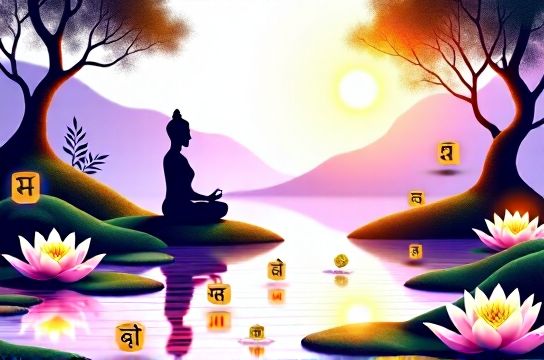
Take meditation, for example. Over 2,500 years ago, Buddhist monks in India and Southeast Asia were already using breath-focused techniques to train attention and cultivate inner peace. Fast forward to 2024, and neuroscience confirms what they knew all along: regular meditation reduces cortisol levels by up to 30% and increases gray matter density in brain regions linked to emotional regulation (source: Harvard Medical School).
But it’s not just about sitting quietly. Ancient healing traditions emphasize a mind-body connection long before Western medicine caught on. Here’s a quick look at how three major systems influenced today’s mindfulness culture:
| Tradition | Origin | Key Mindfulness Practice | Modern Influence |
|---|---|---|---|
| Ayurveda | India (~3000 BCE) | Pranayama (breath control) | Foundation for mindful breathing in stress reduction programs |
| Buddhist Meditation | India/Nepal (~500 BCE) | Vipassana (insight meditation) | Core of MBSR (Mindfulness-Based Stress Reduction) |
| Traditional Chinese Medicine | China (~2000 BCE) | Qigong (movement + breath) | Inspired mindful movement therapies like Tai Chi and yoga flows |
See the pattern? These traditions didn’t just promote relaxation—they built entire lifestyles around awareness, rhythm, and balance. And get this: a 2023 study published in *The Journal of Alternative and Complementary Medicine* found that participants who practiced Ayurvedic daily routines (called *Dinacharya*) reported 42% lower anxiety levels compared to control groups.
Now, you might be thinking, “Okay, cool history lesson—but does this stuff actually work now?” Absolutely. In fact, programs like Jon Kabat-Zinn’s MBSR—which directly draws from ancient healing traditions—have been clinically proven to reduce symptoms of chronic pain, anxiety, and even PTSD. Over 700 hospitals in the U.S. now offer MBSR-based courses. That’s mainstream credibility.
The takeaway? Mindfulness isn’t a buzzword. It’s a revival of wisdom that’s survived millennia because it works. So next time you hit play on a guided meditation, remember—you’re not just de-stressing. You’re tapping into a global legacy of healing that’s as relevant today as it was 3,000 years ago.