Tracing the Development of Healing Traditions in China
- 时间:
- 浏览:100
- 来源:TCM1st
If you’ve ever wondered how Traditional Chinese Medicine (TCM) evolved into the global phenomenon it is today, you’re not alone. As a wellness blogger who’s spent over a decade diving into holistic healing systems, I’ve seen firsthand how ancient practices from China continue to shape modern health trends — from acupuncture clinics in Brooklyn to herbal supplements at your local pharmacy.
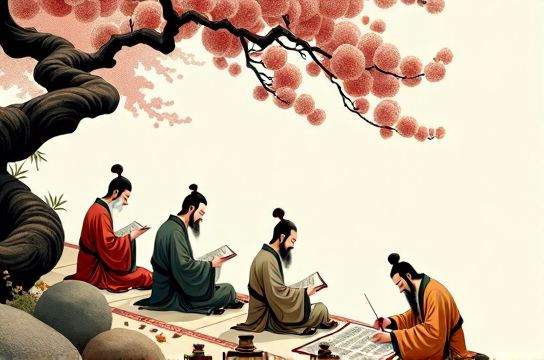
The roots of Chinese healing run deep — we’re talking over 2,000 years deep. But it’s not just about old texts and mystical theories. TCM is built on observation, pattern recognition, and a holistic view of the body that’s gaining serious respect in integrative medicine circles.
Let’s break it down with some key milestones:
Major Eras in Chinese Medical History
| Era | Time Period | Key Contributions |
|---|---|---|
| Shang Dynasty | 1600–1046 BCE | Earliest records of disease and divination-based healing |
| Han Dynasty | 206 BCE–220 CE | Huangdi Neijing compiled — foundation of TCM theory |
| Tang Dynasty | 618–907 CE | First medical college established; Shennong Bencao Jing expands herbal knowledge |
| Ming Dynasty | 1368–1644 CE | Li Shizhen publishes Compendium of Materia Medica — over 1,800 substances documented |
What’s wild? Many principles from the Huangdi Neijing, like the balance of yin and yang and the flow of qi through meridians, are still taught in TCM schools worldwide. And it’s not just philosophy — studies show acupuncture can help with chronic pain (NIH, 2017), and herbs like astragalus are being researched for immune support.
But here’s the real tea: TCM isn’t static. It’s adapted through dynasties, survived political shifts, and now blends with modern diagnostics. In China, many hospitals integrate Western and Chinese healing traditions — patients might get IV fluids and herbal decoctions on the same day.
So whether you're sipping goji berry tea or trying cupping after a workout, you’re tapping into a system refined over centuries. The takeaway? Don’t dismiss it as ‘alternative’ — think of it as complementary wisdom backed by time and tradition.
Want to dive deeper? Start with the classics — but maybe skip boiling deer antler unless you’re really committed.