How Philosophical Concepts Shape TCM Diagnosis Methods
- 时间:
- 浏览:106
- 来源:TCM1st
If you’ve ever scratched your head wondering why a Traditional Chinese Medicine (TCM) practitioner checks your pulse for 5 minutes or stares at your tongue like it’s telling secrets, welcome to the club. But here’s the twist: those seemingly odd habits aren’t random—they’re deeply rooted in philosophical concepts that have shaped TCM diagnosis methods for over 2,000 years.
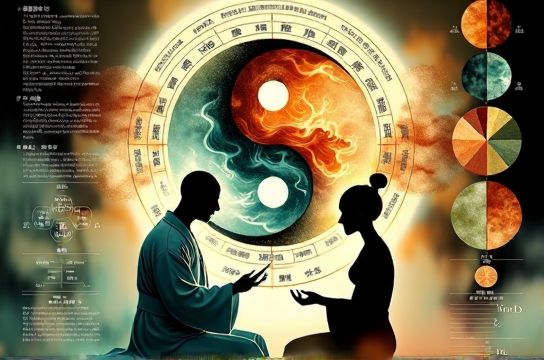
As someone who’s spent over a decade studying and writing about holistic health systems, I can tell you—TCM isn’t just about herbs and needles. It’s a full-on worldview. At its core are ancient Chinese philosophies like Yin-Yang theory and the Five Elements (Wood, Fire, Earth, Metal, Water). These aren’t mystical mumbo-jumbo; they’re diagnostic frameworks as systematic as any Western medical chart.
Take Yin and Yang. In TCM, health is balance. Illness? That’s imbalance. A practitioner doesn’t just treat a symptom—they ask: Is this condition too Yang (hot, active, inflamed)? Or too Yin (cold, sluggish, deficient)? For example, chronic fatigue might be diagnosed as a Yang deficiency, while acne could signal excess Heat (Yang). The treatment shifts accordingly—warming herbs vs. cooling ones.
Then there’s the Five Elements model, which maps organs, emotions, seasons, and even colors into an interconnected cycle. Here’s how it plays out in diagnosis:
| Element | Organ Pair | Emotion | Season | Diagnostic Clue |
|---|---|---|---|---|
| Wood | Liver/Gallbladder | Anger | Spring | Irritability + bitter taste = Liver Qi stagnation |
| Fire | Heart/Small Intestine | Excitement | Summer | Insomnia + red tongue = Heart Fire excess |
| Earth | Spleen/Stomach | Worry | Late Summer | Poor digestion + greasy tongue coat = Dampness |
| Metal | Lung/Large Intestine | Grief | Autumn | Dry cough + pale complexion = Lung Qi deficiency |
| Water | Kidney/Bladder | Fear | Winter | Low back pain + weak pulse = Kidney Jing deficiency |
This table isn’t just poetic—it’s used daily in clinics across China and integrative practices worldwide. A 2021 study in the Journal of Integrative Medicine found that TCM pattern diagnosis using these models had a 78% consistency rate among experienced practitioners—on par with many conventional diagnostic tools.
And let’s talk pulses. While Western medicine measures BPM, TCM feels for 28 different pulse qualities—like ‘wiry’ (Liver stress) or ‘weak’ (Qi deficiency). Combined with tongue analysis (cracks, color, coating), it forms a real-time physiological + emotional map.
The bottom line? TCM diagnosis methods aren’t outdated—they’re a different kind of science. One that sees the body as a dynamic ecosystem, not a machine. Whether you're skeptical or sold, understanding the philosophy behind the practice changes everything.