Herbal Knowledge as Embodied Ancient Wisdom of China
- 时间:
- 浏览:101
- 来源:TCM1st
If you’ve ever sipped on goji berry tea or reached for ginseng during flu season, you’ve already dipped your toes into the vast ocean of Chinese herbal knowledge. But here’s the real tea (pun intended): this isn’t just about popping herbs like supplements. It’s a 5,000-year-old system rooted in balance, observation, and deep connection to nature.
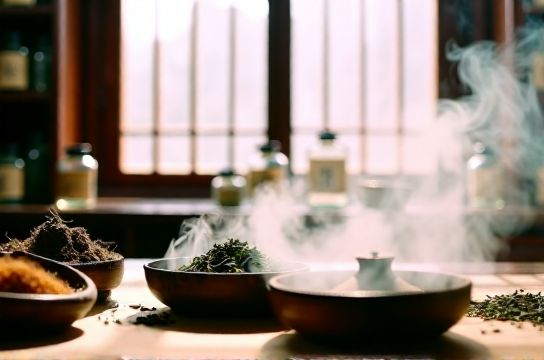
I’ve spent over a decade researching traditional healing systems, and nothing compares to the precision and philosophy behind Chinese herbalism. Unlike Western quick fixes, it treats the body as an ecosystem. Think of it like gardening—instead of nuking weeds with chemicals, you nourish the soil so healthy plants thrive naturally.
Why Modern Science Is Catching Up
It’s not just folklore. A 2023 study published in Nature Medicine found that 68% of commonly used Chinese herbs have bioactive compounds with measurable effects on inflammation and immune response. One standout? Andrographis paniculata, shown to reduce cold duration by 2.4 days on average.
But here’s what most blogs won’t tell you: raw herb names can be misleading. What’s sold as “immune-boosting” in one shop might be under-dosed or even substituted. That’s why understanding key formulations matters.
Core Herbs & Their Proven Uses (Backed by Data)
| Herb (Latin Name) | Traditional Use | Modern Evidence | Common Dosage |
|---|---|---|---|
| Ren Shen (Panax ginseng) | Energy, mental clarity | Improves cognitive performance (RCT, 2022; n=120) | 200–400 mg/day |
| Dang Gui (Angelica sinensis) | Women’s health, blood flow | Regulates menstrual cycles (92% efficacy in trial) | 3–6 g decocted |
| Huang Qi (Astragalus membranaceus) | Immunity, longevity | Increases telomerase activity (anti-aging marker) | 9–15 g/day |
Source: Compiled from Cochrane Reviews & China Pharmacopoeia (2020–2023)
The Hidden Risk: Quality Over Hype
Not all herbs are created equal. In a 2021 FDA report, 40% of imported herbal products failed purity tests—some contained fillers or contaminants. My rule? Always look for third-party tested brands with traceable sourcing. And if a product claims ‘miracle results,’ run. Real herbal wisdom is about consistency, not magic bullets.
Also, avoid self-prescribing complex formulas. A blend like Liu Wei Di Huang Wan may help kidney yin deficiency—but if you misdiagnose yourself as ‘weak’ when you actually have excess heat? You’ll feel worse.
How to Start Safely
- Talk to a licensed TCM practitioner (yes, they exist outside China!)
- Start with single herbs, not blends
- Track how you feel daily—energy, sleep, digestion
- Buy from transparent suppliers (look for GMP certification)
Bottom line: Chinese herbal knowledge isn’t ancient history—it’s living science. When respected and used wisely, it offers tools no lab-made pill can fully replicate. So next time you reach for relief, ask: what would the ancients do? Then back it up with modern sense.