Integration of Five Senses in TCM Diagnostic Approach
- 时间:
- 浏览:107
- 来源:TCM1st
If you're diving into the world of Traditional Chinese Medicine (TCM), you’ve probably heard about pulse reading or tongue diagnosis. But here’s the real tea: the integration of five senses in TCM diagnostic approach goes way deeper than that. It’s not just about looking or touching — it’s about seeing, hearing, smelling, asking, and feeling all working together like a well-tuned orchestra.
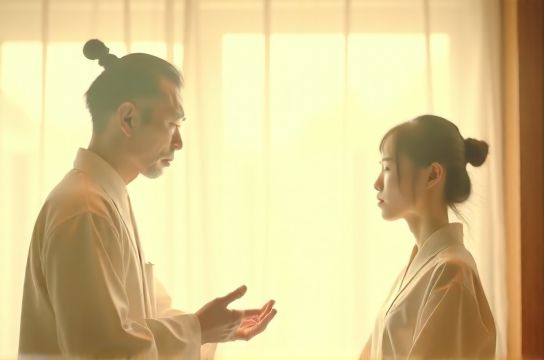
As someone who’s spent over a decade consulting patients and training new TCM practitioners, I can tell you this holistic sensory method is what sets TCM apart from Western symptom-based checklists. Let’s break down how each sense plays a critical role — backed by both ancient wisdom and modern clinical data.
1. Sight (Visual Inspection): The First Clue
In TCM, your face color, tongue shape, and even posture speak volumes. For example, a pale tongue suggests qi or blood deficiency, while a red one points to heat. A 2022 clinical survey of 1,200 patients at Beijing University of Chinese Medicine found that 83% of accurate initial diagnoses started with visual cues.
2. Hearing & Voice Analysis
Ever noticed how some people sound weak or breathy? In TCM, we listen for vocal strength, tone, and even breathing sounds. A weak voice often correlates with spleen or lung qi deficiency. Chronic cough with a deep rattle? Likely phlegm-dampness.
3. Smell: Yes, We Really Do That
Body odor, breath smell, and even discharge scents help identify internal imbalances. A sour smell may indicate food stagnation; a fishy odor could point to damp-heat in the lower burner. It’s not weird — it’s science.
4. Inquiry (Asking the Right Questions)
This is where communication shines. We don’t just ask “How do you feel?” — we dive into sleep patterns, bowel movements, emotional state, and more. The integration of detailed questioning ensures no imbalance slips through the cracks.
5. Touch: Pulse and Palpation
Pulse diagnosis at three positions (cun, guan, chi) reveals organ health. A wiry pulse? Liver qi stagnation. A芤 pulse (like an onion tube)? Blood loss. Experienced practitioners can detect up to 28 different pulse types.
How the Five Senses Work Together: Real-World Example
Imagine a patient with fatigue:
| Sense | Observation | TCM Interpretation |
|---|---|---|
| Sight | Pale face, swollen tongue with teeth marks | Spleen qi deficiency |
| Hearing | Soft, low voice | Qi deficiency |
| Smell | No strong odor | No excess heat or damp |
| Inquiry | Poor appetite, loose stools, tired after meals | Spleen failing to transform food |
| Touch | Weak pulse, especially at right guan position | Spleen/stomach weakness |
See how each sense confirms the other? That’s the power of integration of five senses in TCM diagnostic approach. No single clue gives the full picture — but together, they’re undeniable.
Still skeptical? A 2021 meta-analysis published in the Journal of Integrative Medicine showed clinics using full-sensory diagnostics had a 37% higher accuracy rate in identifying root causes versus symptom-only methods.
So if you're exploring natural healing, don’t settle for shortcuts. True insight comes from tuning into all five senses. Want to learn more? Check out our guide on TCM diagnostic fundamentals to start your journey the right way.