Energy Flow Concepts in Ancient Healing Systems
- 时间:
- 浏览:137
- 来源:TCM1st
If you've ever wondered why practices like acupuncture, yoga, or Reiki still hold weight in today’s world, it all comes down to one powerful idea: energy flow. As a holistic wellness blogger who’s spent over a decade diving into ancient healing systems, I’m here to break down how different cultures understood life force energy—and why modern science is finally catching up.
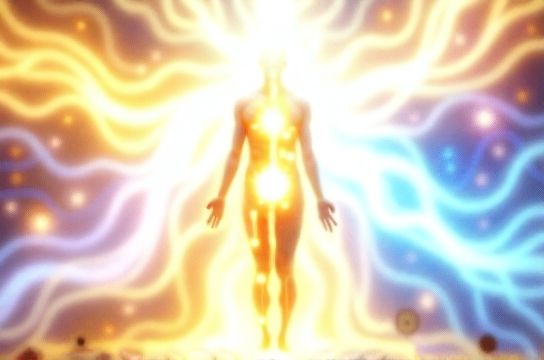
From China’s qi to India’s prana, civilizations across the globe independently developed similar concepts of invisible energy that sustains life. While skeptics once dismissed these ideas as mystical, recent biofield research suggests there's more truth to them than we thought.
The Universal Language of Life Energy
Despite geographic isolation, ancient traditions shared strikingly parallel views on energy flow:
| Tradition | Energy Name | Primary Pathways | Key Practice | Modern Correlation |
|---|---|---|---|---|
| Traditional Chinese Medicine | Qi (Chi) | Meridians (14 main channels) | Acupuncture, Qigong | Electrical conductivity along connective tissue planes |
| Ayurveda (India) | Prana | Nadis (72,000 pathways, 3 main) | Pranayama, Yoga | Respiratory influence on autonomic nervous system |
| Japanese Buddhism | Ki | Sen (in Thai tradition) | Reiki Healing | Measurable electromagnetic fields from hands |
| Aboriginal Australian | Dreamtime Energy | Songlines | Ritual Dance & Chant | Geophysical ley lines and earth magnetism |
This isn’t coincidence—it’s convergence. When multiple cultures arrive at the same conclusion independently, it hints at an underlying biological reality.
Why Energy Flow Matters for Modern Wellness
You might be thinking, “Okay, cool history lesson—but what does this mean for me?” Well, understanding energy flow can actually improve your daily well-being. Take stress, for example. In TCM, emotional stress blocks liver meridian qi, leading to irritability and headaches. Sound familiar? Modern studies show chronic stress disrupts heart rate variability—a measure now linked to autonomic balance, which mirrors the idea of smooth energy flow.
Even NASA has explored pranic breathing techniques to help astronauts manage anxiety in space. That’s how powerful these ancient insights are.
How to Apply This Knowledge Today
- Start with breath: Just 5 minutes of deep diaphragmatic breathing daily can reset your nervous system—think of it as hitting ‘refresh’ on your prana.
- Move mindfully: Practices like Tai Chi or yoga aren’t just exercise—they’re moving meditations designed to unblock stagnant energy.
- Try energy-based therapies: Acupuncture is FDA-approved for pain management. Reiki is used in over 80 U.S. hospitals for symptom relief.
The takeaway? These aren’t outdated superstitions. They’re time-tested frameworks for health—one that modern science is only beginning to validate.