Respecting Nature in Traditional Healing Approaches
- 时间:
- 浏览:135
- 来源:TCM1st
If you've ever wondered why so many modern wellness trends keep circling back to ancient practices, here's the tea: traditional healing systems have been resolving health issues holistically for thousands of years — all while respecting nature.
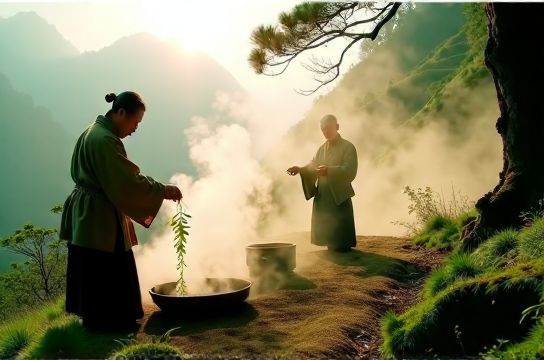
I’m not talking about trendy crystal placements or viral herbal shots. I’m talking about time-tested frameworks like Traditional Chinese Medicine (TCM), Ayurveda, and Indigenous plant wisdom — systems built on deep observation, balance, and living in rhythm with the natural world.
Take TCM, for example. It’s been practiced for over 2,500 years and is still used by nearly 1 billion people today, especially across East Asia. At its core? The belief that health stems from harmony between humans and their environment. Sound familiar? That’s because modern science is finally catching up.
Studies show that plant-based remedies used in traditional healing often contain bioactive compounds with real therapeutic effects. For instance, turmeric (a staple in Ayurveda) contains curcumin, proven to reduce inflammation. Similarly, acupuncture — a key part of traditional healing — has been shown in NIH research to effectively treat chronic pain in over 50% of patients.
Why Modern Wellness Is Relearning Old Lessons
We’re in an age where burnout, anxiety, and autoimmune disorders are skyrocketing. And guess what? Pharmaceuticals alone aren’t cutting it. That’s why more people are turning to natural, preventive care rooted in tradition.
But here’s the catch: respecting nature isn’t just about using herbs instead of pills. It’s about mindset. Traditional systems view illness as a sign of imbalance — whether in the body, mind, or environment. Healing means restoring equilibrium, not just suppressing symptoms.
Traditional Systems Compared: A Quick Look
Here’s a snapshot of three major traditional healing approaches and how they align with nature:
| System | Origin | Core Principle | Nature-Based Practice | Modern Validation |
|---|---|---|---|---|
| Traditional Chinese Medicine | China (~2500 BCE) | Balance of Qi and Yin-Yang | Herbs, acupuncture, diet | WHO recognizes TCM; used in 100+ countries |
| Ayurveda | India (~3000 BCE) | Dosha balance (Vata, Pitta, Kapha) | Herbal formulas, yoga, detox | Clinical studies support use for digestion & stress |
| Indigenous Herbal Wisdom | Global (tribal communities) | Spiritual-ecological connection | Plant medicine, rituals | 70% of WHO-listed traditional medicines are plant-based |
This isn’t just nostalgia — it’s sustainability in action. These systems prioritize prevention, local resources, and long-term well-being over quick fixes.
How to Embrace This Approach Today
- Start with food: Both TCM and Ayurveda treat diet as medicine. Eat seasonally, locally, and mindfully.
- Use herbs wisely: Adaptogens like ashwagandha and reishi are backed by science and tradition.
- Honor your rhythms: Sleep, stress, and emotional health are all part of the equation.
Bottom line? True wellness isn’t found in a lab-made pill alone. It’s in respecting nature — listening to it, learning from it, and living with it.