Cultural Legacy Behind TCM Healing Traditions
- 时间:
- 浏览:133
- 来源:TCM1st
If you've ever wondered why Traditional Chinese Medicine (TCM) still holds such a strong grip on modern wellness — especially outside of China — you're not alone. As a health and culture blogger who’s spent over a decade diving into holistic healing systems, I’ve seen TCM evolve from 'alternative' to mainstream. But beyond the acupuncture needles and herbal teas lies a deep cultural legacy that’s shaped how millions heal, live, and think about balance.
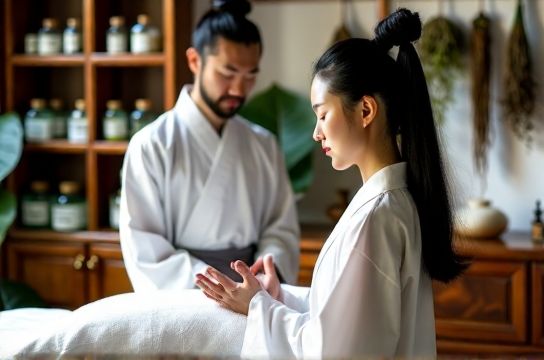
Let’s cut through the noise: TCM isn’t just about treating symptoms. It’s rooted in over 2,000 years of philosophy, observation, and practice. At its core? The belief that health stems from harmony — between body and mind, humans and nature. And while Western medicine often targets disease, TCM focuses on restoring qi (life force) and balancing yin and yang.
Take a look at these eye-opening numbers:
| Aspect | TCM | Western Medicine |
|---|---|---|
| Primary Focus | Prevention & balance | Disease treatment |
| Patient-Practitioner Time | 45–60 mins avg | 10–15 mins avg |
| Global Users (Est.) | Over 1 billion | N/A |
| WHO Recognition | Included in ICD-11 (2019) | Standard reference |
That last point matters. In 2019, the World Health Organization officially included TCM in its influential International Classification of Diseases (ICD-11). This wasn’t just symbolic — it opened doors for insurance coverage, clinical integration, and global legitimacy.
But here’s where things get interesting: TCM isn’t monolithic. Regional practices vary widely. In Guangdong, herbal soups dominate. In Beijing, acupuncture and moxibustion take center stage. And in rural areas, folk remedies passed down through generations still thrive. This diversity reflects China’s vast geography and ethnic tapestry — and it’s part of what makes TCM so resilient.
Now, let’s talk about herbs. Yes, they’re powerful. But quality control? That’s a real concern. A 2021 study published in Frontiers in Pharmacology found that nearly 30% of exported TCM products had contamination or mislabeling issues. So if you're exploring natural healing with TCM, source wisely. Look for GMP-certified suppliers and consult licensed practitioners.
Still skeptical? Consider this: major institutions like Harvard Medical School and the Mayo Clinic now offer integrative programs combining TCM techniques with conventional care. Acupuncture is routinely used to manage chronic pain, reducing reliance on opioids. And studies show TCM-based formulas like Lianhua Qingwen played a supportive role during the pandemic.
The bottom line? TCM isn’t magic — it’s a sophisticated system built on centuries of trial, error, and refinement. Its cultural legacy isn’t stuck in the past; it’s evolving, adapting, and influencing global health in real time. Whether you're drawn to its philosophy or its practical benefits, understanding its roots helps you use it more safely and effectively.
So next time you sip goji berry tea or try cupping after a workout, remember: you’re not just following a trend. You’re tapping into one of humanity’s oldest healing traditions.