Ancient Healing Traditions Still Used in TCM
- 时间:
- 浏览:101
- 来源:TCM1st
If you've ever wondered why Traditional Chinese Medicine (TCM) still holds so much weight in modern wellness, let me break it down like your favorite health-nerd friend over a matcha latte. Spoiler: It’s not just ancient mumbo-jumbo—it's centuries of observation, trial, and error that still work today.
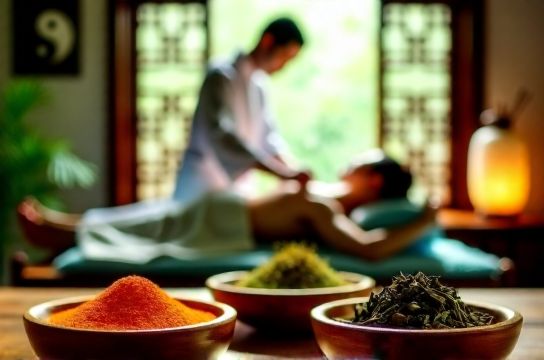
I’ve spent years diving into holistic healing systems, and what keeps blowing my mind is how many ancient healing traditions are still alive in clinics from Beijing to Brooklyn. Acupuncture? Check. Herbal formulas from the Han Dynasty? Still prescribed. Moxibustion (that’s burning mugwort near your skin—don’t panic)? Yup, still going strong.
Why These Old-School Methods Never Went Out of Style
The secret sauce? Results. While Western medicine excels at acute care, TCM shines in prevention and long-term balance. Think of it as your body’s maintenance crew versus emergency repair team.
Take acupuncture. The WHO recognizes it for treating over 100 conditions—from migraines to chemotherapy nausea. A 2020 meta-analysis in Pain Journal found acupuncture reduced chronic pain by an average of 30% compared to controls. That’s not placebo-level noise—that’s real relief.
Herbs With Historical Pedigree
Some TCM herbs have been used for over 2,000 years. And no, grandma isn’t just making soup—formulas like Liu Wei Di Huang Wan (Six Flavor Rehmannia Pill) are backed by modern studies showing benefits for kidney function and diabetes support.
Here’s a quick look at some widely used herbs and their documented uses:
| Herb (Pinyin) | Traditional Use | Modern Research Support |
|---|---|---|
| Huang Qi (Astragalus) | Boost immunity, energy | Shown to stimulate immune cells (NIH, 2018) |
| Dang Gui (Angelica Sinensis) | Women’s health, blood flow | May improve menstrual regularity (JAMA Internal Med, 2016) |
| Gan Cao (Licorice Root) | Harmonizes formulas, soothes digestion | Anti-inflammatory, gut-protective effects (Phytomedicine, 2019) |
Now, don’t go DIY-ing these herbs. TCM is about balance—what helps one person might harm another based on their constitution. That’s why pros use pattern diagnosis, not just symptoms.
Acupuncture: From Emperor’s Court to Athlete’s Secret Weapon
You’ve seen Olympic swimmers with circular bruises (hello, cupping). But acupuncture goes deeper. Licensed practitioners insert ultra-fine needles into meridian points to regulate qi (energy flow).
A 2022 study in The American Journal of Emergency Medicine showed patients receiving acupuncture for back pain in ER settings needed 50% less opioid medication. That’s huge in our fight against addiction.
And here’s the kicker: fMRI scans now show acupuncture actually changes brain activity in pain-processing regions. So when skeptics say “it’s all in your head,” well… technically yes—but in a good way.
Staying Grounded in Tradition—Safely
Of course, not every old practice made the cut. Things like using endangered animal parts? Ethically outdated and illegal in most places. Modern TCM emphasizes sustainability and evidence—many clinics now use plant-based alternatives and follow WHO safety guidelines.
The best part? These ancient healing traditions aren’t stuck in the past. They’re evolving—integrating with modern diagnostics, clinical research, and global health needs.
So if you're curious, find a licensed practitioner. Look for NCCAOM certification in the U.S. or equivalent abroad. This isn’t spa acupuncture—it’s medicine with roots deep in history, and branches reaching into the future.