Foundations of Healing in Traditional Chinese Medicine
- 时间:
- 浏览:103
- 来源:TCM1st
If you've ever scratched your head wondering why Traditional Chinese Medicine (TCM) still holds serious sway in modern healthcare, you're not alone. As a wellness blogger who’s deep-dived into holistic healing for over a decade, I’ve seen firsthand how TCM bridges ancient wisdom and real-world results. Forget the myth—this isn’t just about herbs and acupuncture needles. It’s a full-body system rooted in balance, energy flow, and prevention.
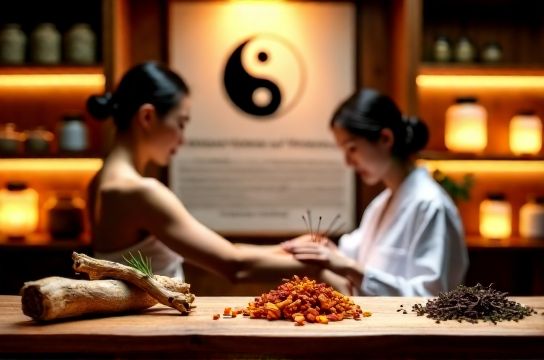
Let’s break it down: at the heart of TCM is Qi (pronounced “chee”), your body’s vital life force. When Qi flows smoothly through meridians (energy pathways), you feel energized, clear-headed, and resilient. But when it’s blocked or imbalanced? Hello, fatigue, pain, and chronic issues. That’s where TCM steps in—not to mask symptoms, but to address root causes.
One of the most powerful tools? acupuncture. A 2020 meta-analysis in the Journal of Pain Research found that 79% of patients with chronic lower back pain reported significant relief after 8 weeks of treatment. And it’s not just for pain. Acupuncture has shown promise in managing anxiety, insomnia, and even digestive disorders.
But TCM goes beyond needles. Herbal medicine, dietary therapy, and practices like Tai Chi and Qigong are all part of the puzzle. Take adaptogenic herbs like Astragalus and Reishi mushroom—these aren’t trendy superfoods; they’ve been used for centuries to boost immunity and reduce stress.
To help you compare common TCM therapies, here’s a quick-reference table:
| Therapy | Primary Use | Scientific Support | Avg. Sessions for Results |
|---|---|---|---|
| Acupuncture | Pain, Stress, Insomnia | High (NIH-recognized) | 6–10 |
| Chinese Herbal Medicine | Digestive & Immune Health | Moderate to High | 4–12 weeks |
| Tui Na Massage | Muscle Tension, Circulation | Moderate | 4–8 |
| Qigong | Energy Balance, Mental Clarity | Emerging | Daily practice recommended |
Now, let’s talk safety. Always consult a licensed practitioner—especially if you’re on medication. For example, combining certain herbs like Ma Huang (Ephedra) with stimulants can be risky. Quality matters: look for practitioners certified by the NCCAOM (National Certification Commission for Acupuncture and Oriental Medicine).
Curious where to start? Try a combo approach: weekly acupuncture sessions plus daily herbal tea (like Chrysanthemum for calming heat) and 10 minutes of Qigong each morning. Small shifts, big impact.
In a world obsessed with quick fixes, TCM reminds us that healing is a journey—not a sprint. Ready to tap into your body’s innate wisdom? Your Qi will thank you.