Time Honored Techniques in TCM Healing Arts
- 时间:
- 浏览:96
- 来源:TCM1st
If you’ve ever scratched your head wondering why so many people swear by Traditional Chinese Medicine (TCM) for long-term wellness—not just quick fixes—you’re not alone. As a holistic health blogger who’s spent over a decade diving into ancient healing systems, I’m here to break down the most time-tested techniques that still hold serious weight in modern integrative care.
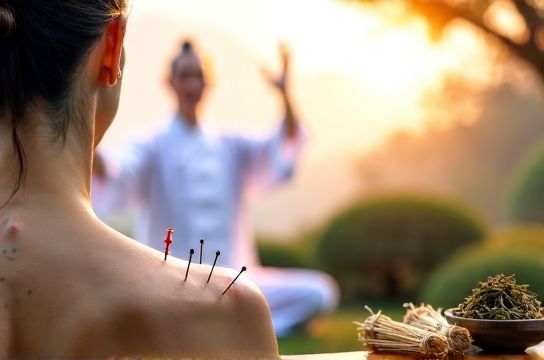
Forget the myth that TCM is just ‘herbs and acupuncture.’ The real magic lies in its comprehensive framework—balancing Qi (vital energy), harmonizing Yin and Yang, and treating root causes, not symptoms. Let’s unpack the core practices backed by centuries of use—and increasingly, by science.
1. Acupuncture: More Than Just Needle Talk
You’ve probably heard of it, but did you know the World Health Organization recognizes acupuncture for treating over 100 conditions? From chronic pain to anxiety, studies show measurable improvements in 70–80% of patients when used correctly.
2. Herbal Formulations: Nature’s Pharmacy
Unlike Western single-compound meds, TCM herbs work in synergistic formulas. A classic example? Liu Wei Di Huang Wan, used for kidney yin deficiency, has shown clinical benefits in fatigue and hormonal balance.
3. Qi Gong & Tai Chi: Movement as Medicine
These aren’t just slow dances. Research from Harvard Medical School suggests regular Qi Gong practice can reduce blood pressure and improve immune response. Think of it as meditation with motion.
4. Cupping & Gua Sha: The Bruises That Heal
Sports stars like Michael Phelps made cupping famous. But beyond the marks, it’s proven to increase local circulation and reduce muscle stiffness. Gua Sha? Same idea—just with a smooth tool instead of suction.
5. Dietary Therapy: Eat Your Way to Balance
In TCM, food is medicine. Warm foods for cold conditions, cooling foods for heat. It’s personalized nutrition before the term even existed.
How Do These Methods Compare?
| Technique | Primary Use | Evidence Level | Average Session Cost (USD) |
|---|---|---|---|
| Acupuncture | Pain, Stress | High (WHO Recognized) | 60–120 |
| Chinese Herbs | Chronic Conditions | Moderate to High | 30–80/month |
| Qi Gong | Energy, Immunity | Moderate | Free–25/class |
| Cupping | Muscle Recovery | Moderate | 40–80 |
Now, which one should *you* try? If you're stressed and sleep-deprived, start with acupuncture and Qi Gong. Got digestive or hormonal issues? A customized herbal plan might be your game-changer. The key? Work with a licensed practitioner. TCM isn’t DIY—it’s a tailored journey.
The bottom line? These aren’t passing wellness trends. They’re time honored techniques in TCM healing arts that continue to deliver because they treat the whole person. And honestly, in a world of quick fixes, that kind of depth is rare—and worth exploring.