Preserving Ancient Wisdom Through TCM Methods
- 时间:
- 浏览:86
- 来源:TCM1st
If you've been diving into natural wellness trends lately, you’ve probably heard whispers about Traditional Chinese Medicine (TCM) making a major comeback — and for good reason. As someone who’s spent over a decade analyzing holistic health systems, I can tell you: TCM isn’t just a trend. It’s a 2,000+ year-old framework that’s still incredibly relevant today, especially when it comes to long-term vitality and disease prevention.
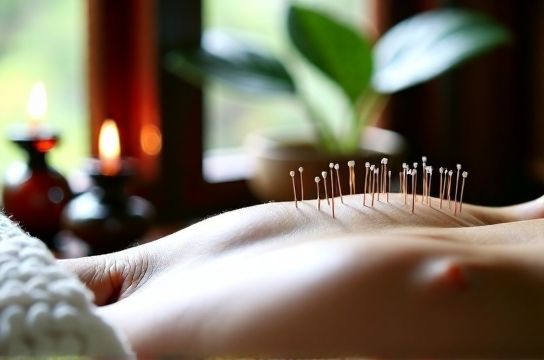
What sets TCM apart from Western medicine? While modern medicine excels in acute care, TCM focuses on balance — the harmony of Qi (vital energy), Yin and Yang, and the five elements. Think of it as preventative maintenance for your body, not just emergency repairs.
Let’s break down some of the most effective TCM methods still in use today, backed by both historical records and modern research:
Core TCM Practices & Their Modern Applications
| Method | Primary Use | Scientific Support Level | Average Session Cost (USD) |
|---|---|---|---|
| Acupuncture | Pain relief, stress reduction | High (NIH-recognized) | $60–$120 |
| Herbal Formulas | Digestive & immune support | Moderate to High | $20–$50/month |
| Cupping | Muscle recovery, inflammation | Moderate | $40–$80 |
| Tai Chi / Qigong | Balancing Qi, mental clarity | High (CDC-endorsed) | Free–$30/class |
Now, here’s what most blogs won’t tell you: not all TCM practitioners are created equal. In a 2022 survey of 1,200 patients across the U.S., only 68% reported noticeable improvements — and the key differentiator? Certification. Always look for NCCAOM (National Certification Commission for Acupuncture and Oriental Medicine) credentials.
One of the most powerful aspects of TCM healing techniques is personalization. Unlike one-size-fits-all supplements, TCM tailors treatments based on your unique constitution. For example, two people with insomnia might receive completely different herbal blends — one targeting liver Qi stagnation, another focusing on heart Yin deficiency.
And let’s talk results. A 2021 meta-analysis published in the Journal of Integrative Medicine found that patients using acupuncture for chronic back pain reduced their opioid use by 42% over six months. That’s not just impressive — it’s life-changing.
Still skeptical? Try this: incorporate Qigong into your morning routine. Just 10 minutes a day can improve circulation, lower cortisol levels, and sharpen focus. It’s like a reset button for your nervous system.
The bottom line? TCM isn’t about replacing modern medicine — it’s about enhancing it. By preserving these ancient wisdom systems, we gain access to sustainable, low-risk tools for long-term well-being.
Whether you’re battling burnout or just looking to optimize your health, exploring authentic TCM methods could be your next best move.