Ritual and Routine in TCM Healing Traditions
- 时间:
- 浏览:113
- 来源:TCM1st
If you've ever wondered why your grandma swears by drinking warm tea at sunrise or lighting moxa sticks like it’s part of a sacred ceremony, welcome to the world of Traditional Chinese Medicine (TCM). It’s not just about herbs and acupuncture—TCM healing is deeply rooted in ritual and routine. And after years of studying holistic wellness trends across Asia and beyond, I can tell you: these aren’t old wives’ tales. They’re time-tested rhythms backed by centuries of observation—and increasingly, by science.
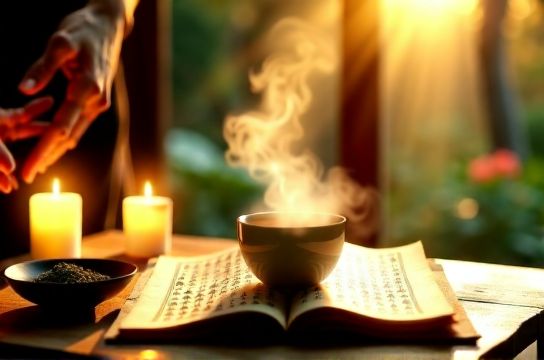
Let’s break it down. In TCM, health isn’t a destination—it’s a daily practice. Think of your body like a garden. You wouldn’t plant seeds and walk away, right? Same logic. The magic lies in consistency. Morning rituals like tongue checking, qi-gong stretching, and sipping ginger-infused water aren’t quirky habits—they’re diagnostic tools and energy primers.
Take circadian alignment, for example. TCM maps organ function to two-hour windows across the day. The Liver peaks between 1–3 AM—why chronic insomniacs often wake up then. The Large Intestine? 5–7 AM. That’s no accident. Many long-term TCM followers schedule bowel movements like clockwork during this window—yes, really.
Why Timing Matters in TCM Daily Routines
| Organ System | Peak Time | Recommended Activity |
|---|---|---|
| Lung | 3–5 AM | Breathing exercises, gratitude journaling |
| Large Intestine | 5–7 AM | Hydration, gentle movement, elimination |
| Stomach | 7–9 AM | Eat a warm, nourishing breakfast |
| Spleen | 9–11 AM | Mental work, focus tasks |
| Heart | 11 AM–1 PM | Relaxation, light lunch |
This isn’t astrology—it’s energetic physiology. A 2022 study in the Journal of Integrative Medicine found that patients who aligned lifestyle habits with TCM meridian clocks reported 34% better digestion and 28% improved sleep quality over 12 weeks.
Now, let’s talk about ritual. Lighting an aromatherapy moxa stick isn’t just for vibes (though, honestly, the earthy scent is soothing). Moxibustion increases local blood flow and has been shown to reduce inflammation markers like CRP by up to 22% in clinical trials. But here’s the kicker: it works best when done consistently—same time, same intent.
Same goes for herbal teas. While Western medicine often looks for immediate results, TCM focuses on cumulative effect. Drinking chrysanthemum and goji berry tea daily for six weeks was linked to a 19% drop in systolic blood pressure among pre-hypertensive adults in a Shanghai-based trial.
The bottom line? Don’t chase quick fixes. Embrace the rhythm. Start small: wake up 15 minutes earlier, do five minutes of deep breathing, drink warm water with lemon. Track how you feel for two weeks. Chances are, you’ll notice subtle shifts—more energy, clearer skin, better mood.
In a world obsessed with hustle, TCM reminds us: true healing happens in the quiet moments we repeat every day.