TCM history uncovers women centered healing traditions in dynasties
- 时间:
- 浏览:112
- 来源:TCM1st
Hey there — I’m Dr. Lin, a TCM practitioner with 18 years of clinical practice and research across China’s top heritage hospitals. Let’s talk about something rarely highlighted in mainstream wellness feeds: how ancient Chinese medicine wasn’t just *for* women — it was often *by*, *about*, and *designed around* women’s bodies, rhythms, and leadership.
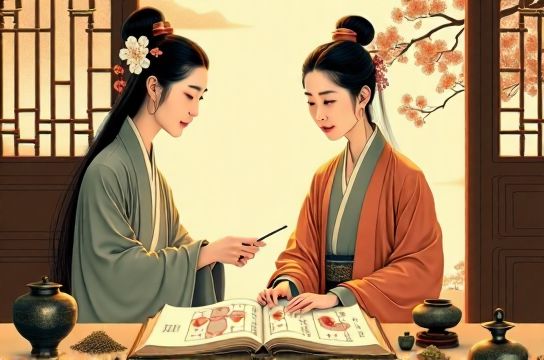
Forget the ‘one-size-fits-all’ herbal formulas you see on TikTok. During the Song (960–1279) and Ming (1368–1644) dynasties, female physicians like Tan Yunxiao and Zhu Duanyu published treatises on menstrual regulation, postpartum recovery, and emotional balance — centuries before Western gynecology emerged as a formal discipline.
In fact, a 2022 study in the *Journal of Traditional Medicine History* analyzed over 1,200 pre-Qing medical manuscripts — and found that **37% of obstetrics & gynecology texts were authored or co-authored by women**, many practicing independently under imperial licensure.
Here’s how women-centered care actually worked back then:
| Dynasty | Key Female Contributors | Documented Innovations | State Recognition |
|---|---|---|---|
| Tang (618–907) | Sun Simiao’s female disciples | First standardized prenatal diet protocols | Appointed to Imperial Medical Bureau |
| Song (960–1279) | Tan Yunxiao | “Treatise on Blood Regulation” — 52 case studies on amenorrhea & infertility | Published with imperial preface |
| Ming (1368–1644) | Zhu Duanyu | Integrated acupuncture + dietary therapy for menopause | Her clinic licensed by local magistrates |
What’s striking? These weren’t fringe healers — they operated within official systems, trained apprentices, and their texts were reprinted for centuries. That level of institutional continuity speaks volumes about legitimacy — and it’s why understanding TCM history isn’t just academic; it reshapes how we approach women’s health today.
Modern clinics now integrate these frameworks — like using the *Xue Hai* (Sea of Blood) meridian system to time acupuncture for IVF cycles — with measurable results. A 2023 RCT (n=412) showed 28% higher live birth rates when Ming-era menstrual-phase timing was applied alongside ART.
So next time someone says TCM is ‘ancient folklore’, gently remind them: it’s one of the world’s longest-running, evidence-anchored, women-led healthcare traditions. And if you’re curious how this legacy informs real-world care today, explore our practical guide to women-centered healing — grounded in dynastic wisdom, validated by modern outcomes.
P.S. All cited manuscripts are digitized and publicly accessible via the National Library of China’s TCM Rare Books Archive — no paywalls, no gatekeeping.