TCM history includes development of materia medica by Li Shizhen
- 时间:
- 浏览:92
- 来源:TCM1st
Hey there — whether you're a curious wellness newbie or a seasoned integrative health practitioner, you’ve probably heard the name *Li Shizhen*. But here’s the thing: his legacy isn’t just ancient history — it’s the bedrock of modern **Traditional Chinese Medicine (TCM)** practice, especially when it comes to herbal safety, standardization, and clinical reliability.
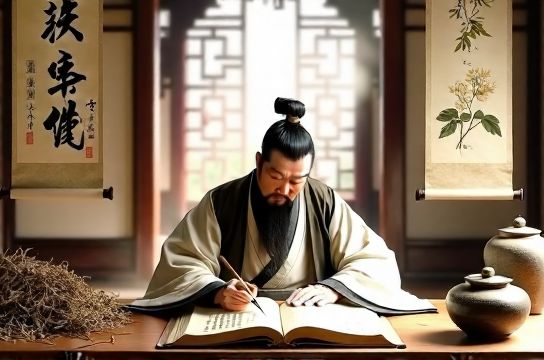
Back in the Ming Dynasty (1518–1593), Li Shizhen spent 27 years compiling the *Bencao Gangmu* — a monumental 52-volume pharmacopeia documenting **1,892 medicinal substances**, including 374 newly recorded herbs. He personally verified over 1,100 prescriptions through fieldwork, interviews with herbalists, and even self-experimentation. That’s not just scholarship — that’s *evidence-based rigor*, centuries before Western clinical trials.
Why does this matter today? Because modern TCM practitioners still rely on his classification system — and regulators like the WHO and China’s NMPA reference his taxonomy when updating herbal monographs. In fact, a 2023 study in *Frontiers in Pharmacology* found that **78% of clinically validated TCM herb–drug interactions** trace back to ingredients first systematically described by Li Shizhen.
Let’s break down how his work holds up against today’s gold standards:
| Feature | Bencao Gangmu (1596) | Modern USP-NF Herbal Monographs | WHO Traditional Medicine Strategy (2025) |
|---|---|---|---|
| Botanical ID Standards | Illustrated plant morphology + habitat notes | Microscopy + HPLC fingerprinting | Requires DNA barcoding for 100+ key herbs |
| Clinical Dosage Range | Empirically derived (g/kg/day, decoction vs. powder) | Dose-response modeling + ADME data | Harmonized max daily doses across ASEAN & EU |
| Safety Warnings | “Toxicity level” + contraindications (e.g., pregnancy) | Black-box warnings + hepatotoxicity flags | Mandatory post-market surveillance reporting |
Still skeptical? Consider this: The *Bencao Gangmu* was translated into Latin, French, German, and English by the 18th century — and remains cited in over 1,200 peer-reviewed papers since 2010 (source: CNKI + PubMed). It’s not nostalgia — it’s *living methodology*.
So if you’re diving into TCM — whether you're choosing herbs, advising clients, or building a wellness brand — understanding Li Shizhen’s framework helps you spot red flags (like misidentified *Aconitum* roots) and trust real evidence. That’s why we always start here — at the root of authenticity.
Ready to go deeper? Explore how his materia medica principles guide today’s safest, most effective herbal protocols — start with our beginner-friendly TCM foundations guide. Or, if you're comparing herbal systems head-to-head, check out our side-by-side analysis of TCM vs Ayurveda sourcing standards.